TLDR
Andy Burnham was sworn in as UK Prime Minister on 20 July 2026, becoming Britain's seventh PM since 2016. Sir Keir Starmer resigned on 22 June 2026 after a Labour party rebellion, less than two years into government. Burnham ran unopposed, securing nominations from 379 of the party's 403 MPs before being confirmed at a special conference on 17 July. He takes office with a sluggish economy, soaring living costs and overstretched public services.
KEY TAKEAWAYS
The number that matters
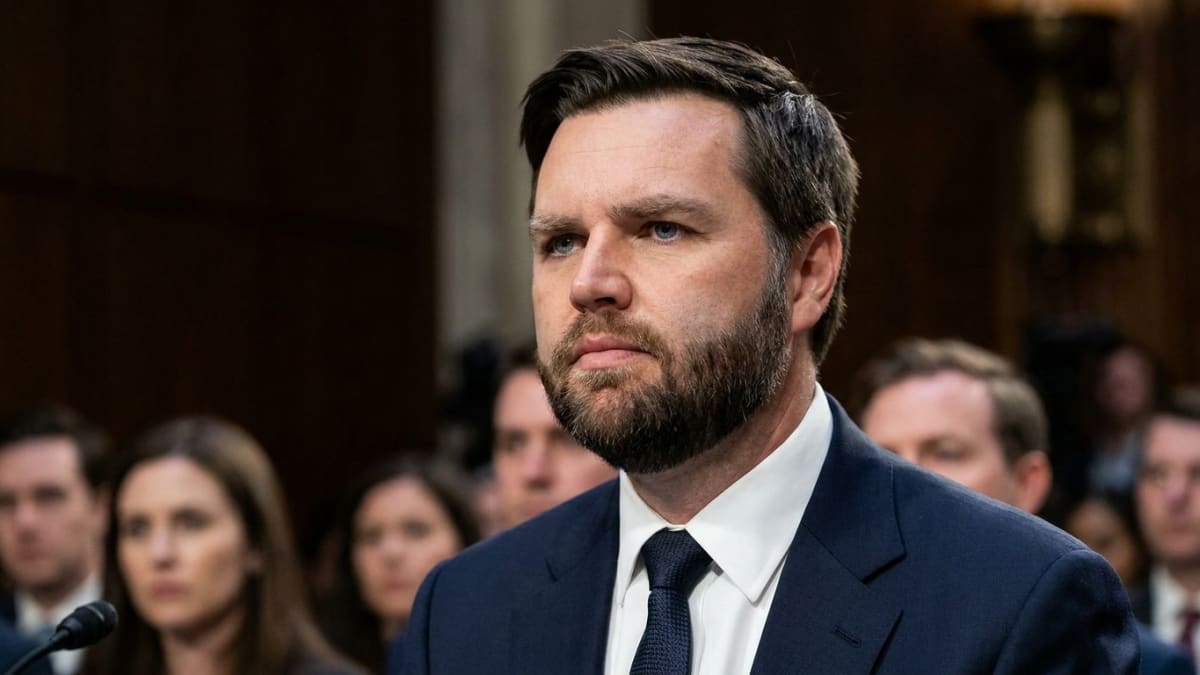
Andy Burnham walked into 10 Downing Street on 20 July 2026 as Britain's seventh Prime Minister in a decade. King Charles III invited Burnham to form a government on 20 July 2026, following the constitutional convention that the monarch appoints the Commons leader able to command a majority.verifiedVerified Source: commonslibrary.parliament.uk[4] The transition was swift and without drama, a sharp contrast to the events that made it necessary.
Burnham, the Member of Parliament for Makerfield since June 2026 and former Mayor of Greater Manchester from 2017 to 2026, brings more than a decade of ministerial and executive experience to the role.[3] Long nicknamed the "King of the North," he now holds the nation's highest office.
How Starmer fell
Sir Keir Starmer announced his intention to resign as Leader of the Labour Party and Prime Minister on 22 June 2026verifiedVerified Source: commonslibrary.parliament.uk, forced out by a party rebellion less than two years after Labour's sweeping 2024 general-election victory.[1] Starmer's tenure began with enormous parliamentary capital and collapsed under the weight of internal dissent.
Labour's National Executive Committee moved within days to set a formal timetable, opening Parliamentary Labour Party nominations on 9 July and closing them on 16 July 2026.[2] Eight days was all it took.
A contest without a contest
Andy Burnham received the backing of 379 of Labour's 403 MPs and 23 affiliate organisations in his leadership confirmationverifiedVerified Source: labour.org.uk, clearing the field before any rival could mount a credible challenge.[3] No other candidate secured the required nominations.
Labour held a special conference on 17 July 2026 at the Trades Union Congress in London, where Burnham was formally declared Party Leader as the sole validly nominated candidate.[3] The TUC venue carried its own symbolism for a politician who built his reputation on working-class communities and public-service reform.
The handover at the Palace
Constitutional convention dictated what followed. The monarch appoints as Prime Minister whichever leader commands confidence in the House of Commons, and Labour's sustained parliamentary majority left no ambiguity.[4] King Charles III extended the invitation on 20 July 2026, three days after Burnham's confirmation as leader.
Burnham arrived at Number 10 carrying the weight of high expectations, from a party that had torn itself apart to install him and a public weary of political churn. In his first address, Burnham said the government is united and will put the power that comes from that unity at the service of people and places who have been waiting too long for politics to let them hope again, adding that the government will give them hope back.[3]
What he inherits
Burnham takes office with a sluggish post-pandemic economy, living costs still elevated by international pressures, and public services stretched beyond comfortable limits.[3] His pledges centre on devolution, economic renewal and social reform, a programme shaped by his years running Greater Manchester, where he championed integrated public transport and a devolved health model.
Labour's parliamentary majority, built in the 2024 landslide, remains intact. Burnham commands numbers that Starmer never lost on the floor of the House; it was the party room, not the Commons, that brought his predecessor down. That distinction matters: Burnham starts with legislative power, if not guaranteed unity.
Burnham becomes the seventh person to hold the office since 2016, a run that includes David Cameron, Theresa May, Boris Johnson, Liz Truss, Rishi Sunak and Starmer. A decade of political turnover has left institutions strained and public trust depleted. Burnham was formally declared Labour leader on 17 July 2026.
SOURCES & CITATIONS
FREQUENTLY ASKED QUESTIONS
When did Andy Burnham become Prime Minister?
Why did Keir Starmer resign?
Did anyone run against Burnham in the Labour leadership contest?
How many Prime Ministers has the UK had since 2016?
Margaret Hale writes about politics, policy and the culture of business. She is drawn to the people behind decisions and to the moments when a political story turns out to be a human one.