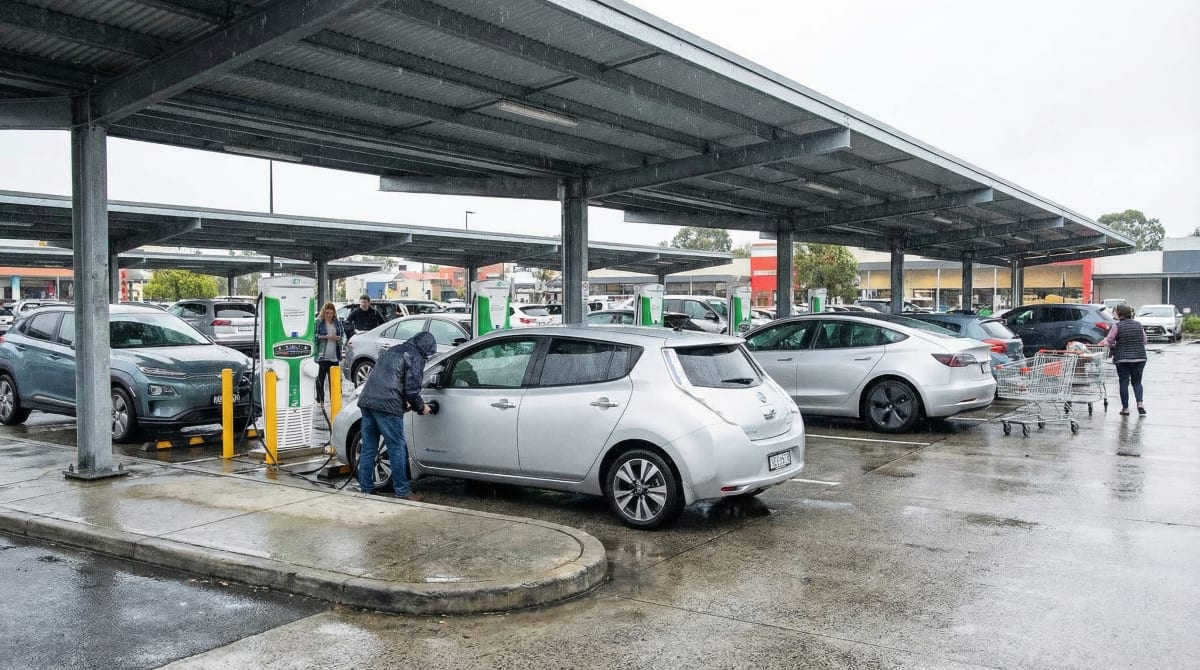
The days of electric vehicles being luxury-only purchases are over. Eight EVs now sell in Australia for under $50,000 before on-road costs, with several starting below $40,000. Range anxiety has eased too, with most models offering 400-500km on a full charge. The catch: Chinese manufacturers dominate this segment, which matters for buyers who prioritise established dealer networks or long-term resale confidence.
TLDR
Electric vehicles under $50,000 have arrived in Australia with competitive range and features. The BYD Dolphin starts at $36,890 with 427km range, while the MG4 offers 530km range from $40,990. Chinese manufacturers dominate the affordable segment, though the Hyundai Kona Electric and Nissan Leaf provide alternatives from established brands. This guide compares the eight best options for Australian buyers who want to go electric without spending Tesla money.
KEY TAKEAWAYS
This guide compares the eight best affordable EVs available in Australia right now, covering range, features, charging speeds, and which buyers each model suits.
1. BYD Dolphin
Price: $36,890-$44,890. Range: 340-427km WLTP. The Dolphin is Australia's cheapest new EV and a genuinely good car, not just a cheap one. The base Dynamic model includes a 44.9kWh battery, 70kW DC fast charging, adaptive cruise control, and a 12.8-inch rotating touchscreen. The Extended Range adds a 60.4kWh battery for 427km range and costs $44,890.
Build quality impresses for the price. The interior uses soft-touch materials where competitors have hard plastic. The ride is comfortable for a small car. Downsides: the infotainment system has a learning curve, and BYD's dealer network is still growing. Best for: city commuters wanting the lowest entry point to EV ownership.
2. MG4
Price: $40,990-$47,990. Range: 435-530km WLTP. The MG4 offers the best range in this segment. The Extended Range model delivers 530km on a full charge with a 77kWh battery. Standard features include a 10.25-inch touchscreen, wireless Apple CarPlay and Android Auto, and a suite of driver assistance systems.
MG benefits from wider dealer coverage than newer Chinese entrants, thanks to parent company SAIC's decade-plus presence in Australia. The MG4 drives well for a hatchback, with composed handling and adequate acceleration. The interior is functional rather than premium. Best for: drivers who prioritise range and want a recognised brand.
3. BYD Atto 3
Price: $44,381-$47,381. Range: 345-420km WLTP. The Atto 3 is a compact SUV that competes with the Hyundai Kona. The 60.5kWh Extended Range model delivers 420km and includes a panoramic sunroof, electric tailgate, and heated front seats. The interior design is distinctive, with guitar-string door pulls and a rotating central screen.
Ride comfort is good, absorbing Australian road surfaces better than some competitors. The rear seat fits adults comfortably with decent legroom. Boot space at 440 litres is adequate but not class-leading. Best for: families wanting an affordable electric SUV.
4. GWM Ora
Price: $44,990-$47,990. Range: 310-420km WLTP. The Ora brings retro styling to the EV segment, with a design that divides opinion. The Extended Range model offers 420km from a 63kWh battery. Standard features include facial recognition unlocking, a panoramic roof, and massage seats on higher trims.
GWM (Great Wall Motors) has the strongest dealer network among Chinese EV brands in Australia, with over 100 service centres. The Ora drives competently without standing out. Interior quality is good for the price. Best for: buyers who want something visually distinctive and prioritise dealer access.
5. Hyundai Kona Electric
Price: $48,500-$54,500. Range: 305-454km WLTP. The Kona Electric sits at the top of the sub-$50k range but brings Hyundai's established reputation and dealer network. The Standard Range (48.4kWh) starts at $48,500 with 305km range; the Long Range (64kWh) offers 454km for $54,500.
Build quality and refinement exceed Chinese competitors. The infotainment system is intuitive. Hyundai's five-year unlimited kilometre warranty provides peace of mind. The downside is price: you pay a premium over BYD and MG for equivalent range. Best for: buyers who prioritise proven reliability and dealer support over lowest price.
6. Nissan Leaf
Price: $49,990. Range: 270km WLTP. The Leaf is the oldest design on this list, but it's proven and widely serviced. The 40kWh battery delivers 270km range, adequate for urban use but limiting for longer trips. Standard features include ProPilot driver assistance and an around-view monitor.
The Leaf uses CHAdeMO fast charging rather than the CCS standard used by other EVs, which limits charging options. It's also slow to DC charge at 50kW maximum. However, Nissan's dealer network is extensive and the Leaf has years of reliability data. Best for: conservative buyers wanting a proven EV from an established manufacturer.
7. Cupra Born
Price: $49,990-$59,990. Range: 424-511km WLTP. The Born brings European build quality to the affordable EV segment. Based on the Volkswagen ID.3 platform, it offers sharper handling than competitors. The 58kWh battery delivers 424km; the 77kWh version manages 511km but exceeds $50k.
Interior quality is noticeably higher than Chinese alternatives. The driving dynamics suit enthusiasts who want engagement rather than just transportation. Cupra's dealer presence is limited but growing. Best for: drivers who prioritise driving enjoyment and European refinement.
8. Peugeot e-208
Price: $49,990. Range: 362km WLTP. The e-208 is a small car with French design flair. The 50kWh battery delivers 362km, adequate for city use. The interior features Peugeot's distinctive i-Cockpit layout with a small steering wheel and high-mounted instruments.
Ride comfort is good for a small car. Build quality is solid. The boot is small at 265 litres. Peugeot's dealer network has gaps outside major cities. Best for: style-conscious buyers in urban areas who don't need maximum range.
Charging considerations
All models except the Nissan Leaf use CCS charging, which is the Australian standard. Home charging via a 7kW wall box adds roughly 40-50km of range per hour. Public DC fast chargers can add 100-200km in 20-30 minutes depending on the vehicle's maximum charge rate. Check your regular routes for charging stations before buying.
State rebates
All vehicles listed qualify for state EV rebates where available. Victoria offers $3,000 for EVs under $68,740. NSW has ended its rebate program but waives stamp duty. Queensland offers $6,000 for new EVs. Check current eligibility requirements as programs change frequently.
SOURCES & CITATIONS
FREQUENTLY ASKED QUESTIONS