TLDR
A Telstra maintenance worker restarted an ageing Network Time Protocol server with the wrong date at 4:30 am on 8 July 2026, triggering a nationwide outage that hit 45 per cent of calls and data sessions at its peak. Some 604 Triple Zero calls experienced errors, prompting automatic welfare checks across all affected callers. Telstra CEO Vicki Brady told a Senate inquiry the server was roughly 15 years old, could have been replaced for $30,000, and that software update warnings issued in 2022 and January 2026 went unheeded. The Australian Communications and Media Authority has launched a full investigation with power to impose penalties of up to $30 million.
KEY TAKEAWAYS
The maintenance error that brought down Triple Zero
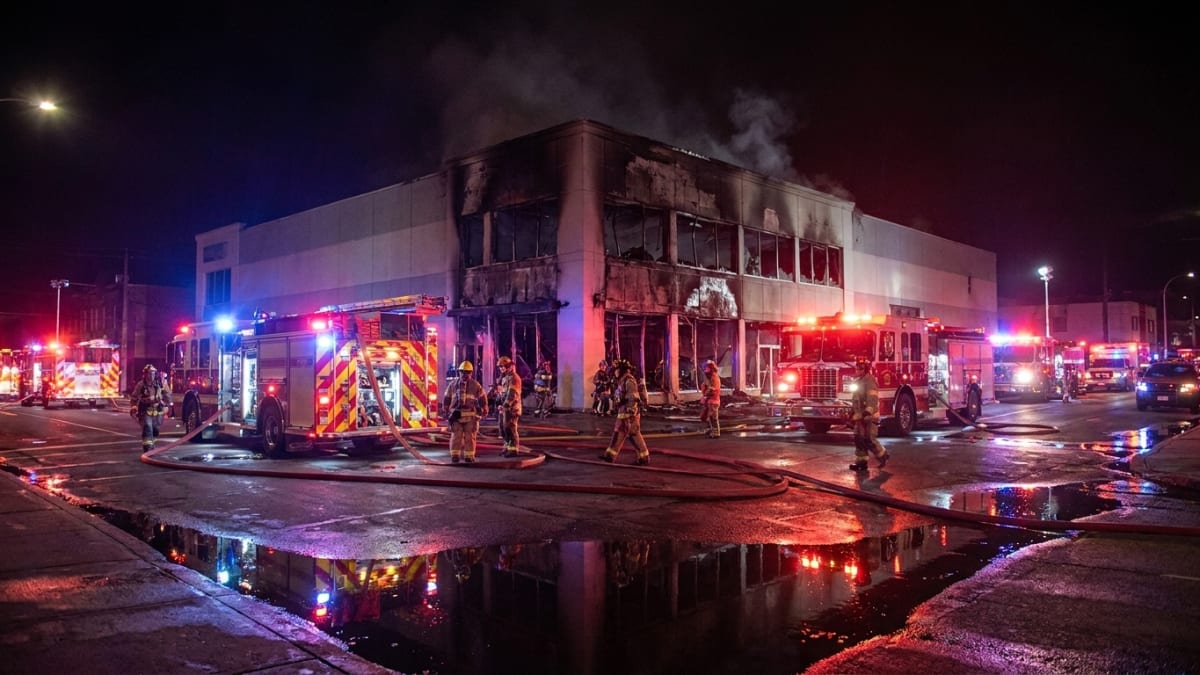
At approximately 4:30 am AEST on Wednesday 8 July 2026, a Telstra maintenance worker restarted a Network Time Protocol server that came back online with the wrong date, sending timing failures cascading across parts of the company's mobile network.verifiedVerified Source: telstra.com.au[1] The failure hit one of the most critical services on the national telecommunications grid: Triple Zero.
Triple Zero is answered by Telstra under contract as the Emergency Call Person, with calls transferred to police, fire and ambulance dispatchers across the country. Telstra operates geographically dispersed call centres in Sydney, Melbourne and Adelaide to meet strict performance targets under the Telecommunications (Emergency Call Service) Determination 2019, enforced by the Australian Communications and Media Authority.
Scale of the outage
At the peak of the disruption, around 45 per cent of all calls and data sessions on Telstra's mobile network were impacted.verifiedVerified Source: telstra.com.au[1] That figure shows how a single point of failure in core timing infrastructure can cripple a network at scale.
Over the course of the outage, 58,835 calls to Triple Zero successfully connected.[1] A further 604 calls experienced errors and triggered automatic welfare checks. Of those 604 callers: 335 did not need assistance, 102 had already contacted emergency services through other means, 144 were referred to police for follow-up, and 23 were referred to the relevant emergency services organisation.[1] Telstra said no life-threatening outcomes have been reported.
Ageing tech and ignored warnings
Telstra told a Senate inquiry that the NTP server at the centre of the failure was approximately 15 years old and could have been replaced for $30,000.[2] Software update reminders were issued to the relevant teams in 2022 and again in January 2026, and neither was acted upon.[2]
Vicki Brady, Telstra's Chief Executive Officer, told the Senate inquiry: "Last week, Telstra let Australians down. We let our customers down, we let the community down, and we fell short of what people rightly expect from us. For this I am deeply sorry."[3] Brady also said, "If maintenance work can trigger this kind of outage, it suggests our controls were not good enough."[3]
The admission places this outage in a long line of avoidable failures driven by deferred maintenance. A previous disruption to Triple Zero occurred on 1 March 2024, when a CLI-platform outage affected 494 calls and led to 148 failed transfers.
Regulator and Senate response
The Australian Communications and Media Authority launched a full investigation into Telstra's conduct.[2] ACMA holds powers to issue notices and impose penalties of up to $30 million for non-compliance with emergency-call obligations.verifiedVerified Source: abc.net.au[2]
Under Section 27 of the Emergency Call Service Determination, carriers must notify the Emergency Call Person immediately of any outage affecting emergency call carriage. Senators pressed Telstra on whether that obligation was met and on the adequacy of change-management controls that allowed two sets of software update reminders to go unheeded across four years.
What Telstra says it will fix
Brady told the Senate inquiry that Telstra has commissioned an external expert investigation into the outage and committed to providing final findings to the committee.[3] Telstra said it will strengthen its controls, documentation and update processes to prevent recurrence.[3]
Telstra has also committed to replacing outdated equipment, applying overdue software updates, improving change-management documentation and enhancing network resilience measures including real-time monitoring, redundancy and automated load balancing.[3] Whether those commitments satisfy ACMA, which is still conducting its investigation as of 17 July 2026, will determine whether Australia's largest telco faces a penalty of up to $30 million.
SOURCES & CITATIONS
FREQUENTLY ASKED QUESTIONS
What caused the Telstra Triple Zero outage on 8 July 2026?
How many Triple Zero calls were affected?
Why wasn't the ageing server replaced or updated before the outage?
What penalties could Telstra face?
Lachlan Voss writes about corporate governance, executive pay and how boards behave. He is interested in who is accountable when things go well and when they don't.