Donald Trump has told the world's democracies that America doesn't need them anymore.
TLDR
Donald Trump has declared the United States 'do not need the help of anyone' in the war against Iran, specifically calling out NATO allies and Australia in a Truth Social post. The outburst comes just days after Trump called on allies to help reclaim the Strait of Hormuz, and as his own National Counterterrorism Center director resigned in protest over the conflict.
KEY TAKEAWAYS
In a blistering Truth Social post early Wednesday morning Australian time, the US President declared that America 'do not need the help of anyone' in the war against Iran — singling out NATO allies, Japan, South Korea, and Australia by name.
The statement marks an extraordinary reversal. Just days ago, Trump called on those same allies to help reclaim the Strait of Hormuz, the critical oil shipping lane that Iran has effectively closed since the conflict began on February 28.
Australian reaction
Shadow Industry Minister Andrew Hastie didn't mince words when asked about Trump's post.
I thought it was a petulant post from a president under immense pressure. Yesterday he said from the Oval Office that he didn't expect the Strait of Hormuz to be closed this long. As I like to quote Mike Tyson, everyone has a plan until they get punched in the face.
Hastie said Australia wasn't consulted before the US launched the war, but noted that Australian interests are being served by the deployment of a Wedgetail surveillance aircraft to the United Arab Emirates.
'We've been a longstanding ally of the United States, we've met our obligations within that alliance framework, we've got a proud history and I just don't think that's how you treat allies,' Hastie told the ABC. 'I think that's a reflection on his character more than us.'
Hastie said he agrees with former Prime Minister Malcolm Turnbull that the 'global rules-based order is dead' and that Australia needs to stand on its 'own two feet'.
Treasurer Jim Chalmers was more circumspect, brushing off the statement by saying it was 'not really something that has been a focus of our discussions, even this morning.'
The war so far
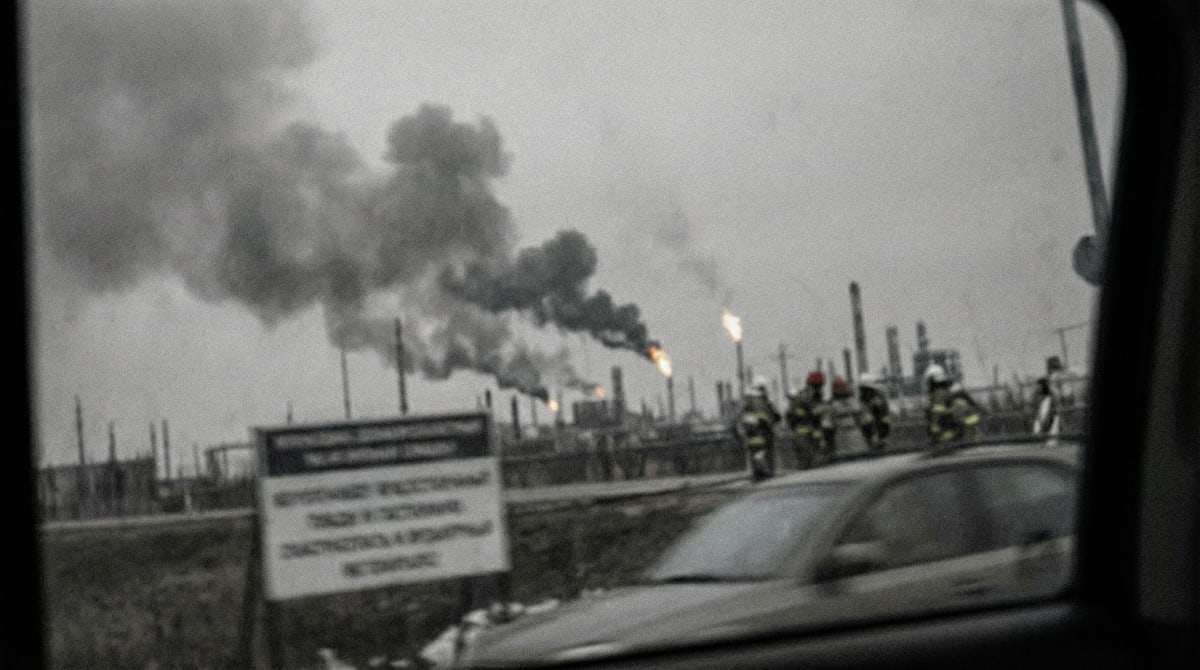
The US and Israel launched strikes against Iran on February 28. Since then, the conflict has escalated dramatically. The Strait of Hormuz — through which roughly 20% of the world's oil passes — has been effectively closed by Iranian forces.
Iran has fired more than 2,000 drones and missiles at Gulf states including the UAE, Bahrain, and Israel. Two people were killed near Tel Aviv overnight during an Iranian missile barrage. Lebanese officials report Israeli strikes have killed more than 900 people, including at least 100 children.
Iranian state media confirmed overnight that security chief Ali Larijani and domestic security force commander Gholamreza Soleimani were killed in Israeli strikes.
Cracks in the coalition
Trump's dismissal of allies comes as cracks emerge within his own administration. Joseph Kent, Trump's appointee to lead the National Counterterrorism Center, resigned overnight.
Kent accused Israel and its lobbying groups of convincing the US to enter the conflict, saying he could not 'in good conscience' support the war in Iran.
The resignation follows reports of a broader civil war within the MAGA movement over the Iran conflict, with prominent right-wing figures feuding publicly online over whether the war serves American interests.
Economic fallout spreading
The economic consequences of the conflict are rippling outward. Scandinavian airline SAS announced it will cancel at least 1,000 flights in April as jet fuel prices have doubled in ten days.
Australian fuel prices have surged, with the Reserve Bank citing the conflict as a factor in its decision to raise interest rates for the second time in 2026.
The US aircraft carrier Gerald R. Ford, deployed in operations against Iran, is expected to temporarily pull into port in Crete after a fire on board injured nearly 200 sailors. The carrier has been deployed for nine months, raising questions about crew morale and readiness.
What happens next
Trump's statement leaves allies in an awkward position. Australia has deployed military assets to support US operations, but has not been consulted on strategic decisions. The government appears to be threading a needle: maintaining alliance commitments while avoiding association with an increasingly chaotic war effort.
For Australia, the immediate concern is the Strait of Hormuz. Reopening it requires either military action to neutralise Iranian coastal defences or a diplomatic resolution that seems distant. Neither appears imminent.
The broader question is whether ANZUS survives a US president who treats alliances as disposable. That question will outlast this war.
SOURCES & CITATIONS
FREQUENTLY ASKED QUESTIONS