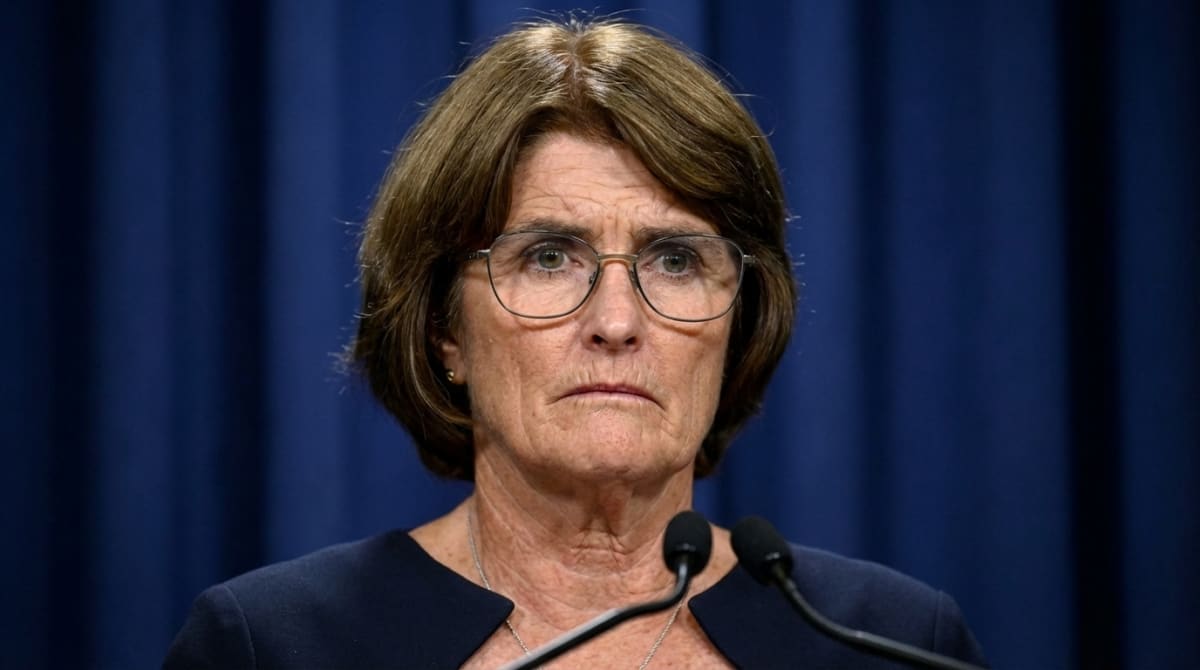
The Reserve Bank raised interest rates on Tuesday for the second consecutive meeting, taking the cash rate to 4.1% and effectively reversing the easing cycle that began last year. The decision was not unanimous. The board split 5-4, the narrowest margin since the RBA began disclosing individual votes in July 2025.
TLDR
The Reserve Bank raised the cash rate to 4.1% on Tuesday, the second consecutive increase after a year of cuts. Governor Michele Bullock warned that recession is 'possible' if inflation cannot be brought under control. The board split 5-4 on the decision. Australia now has the highest interest rates among developed economies.
KEY TAKEAWAYS
Governor Michele Bullock offered a blunt assessment of the risks. Recession, she said, is possible if inflation proves difficult to subdue.
The inflation problem
Consumer prices rose 3.8% in the year to January, according to the Australian Bureau of Statistics. That figure is almost double the 1.9% low reached in June 2025, and it sits well above the RBA's target band of 2% to 3%.
The sources of the problem have shifted. Domestic services inflation, which the RBA can influence through monetary policy, has moderated. But the Iran conflict has injected a new and unpredictable variable into the equation.
We don't want to see a recession or a large rise in unemployment if we can avoid it. That's part of our dual mandate. If we have to change tack, we will.
— Michele Bullock, RBA Governor
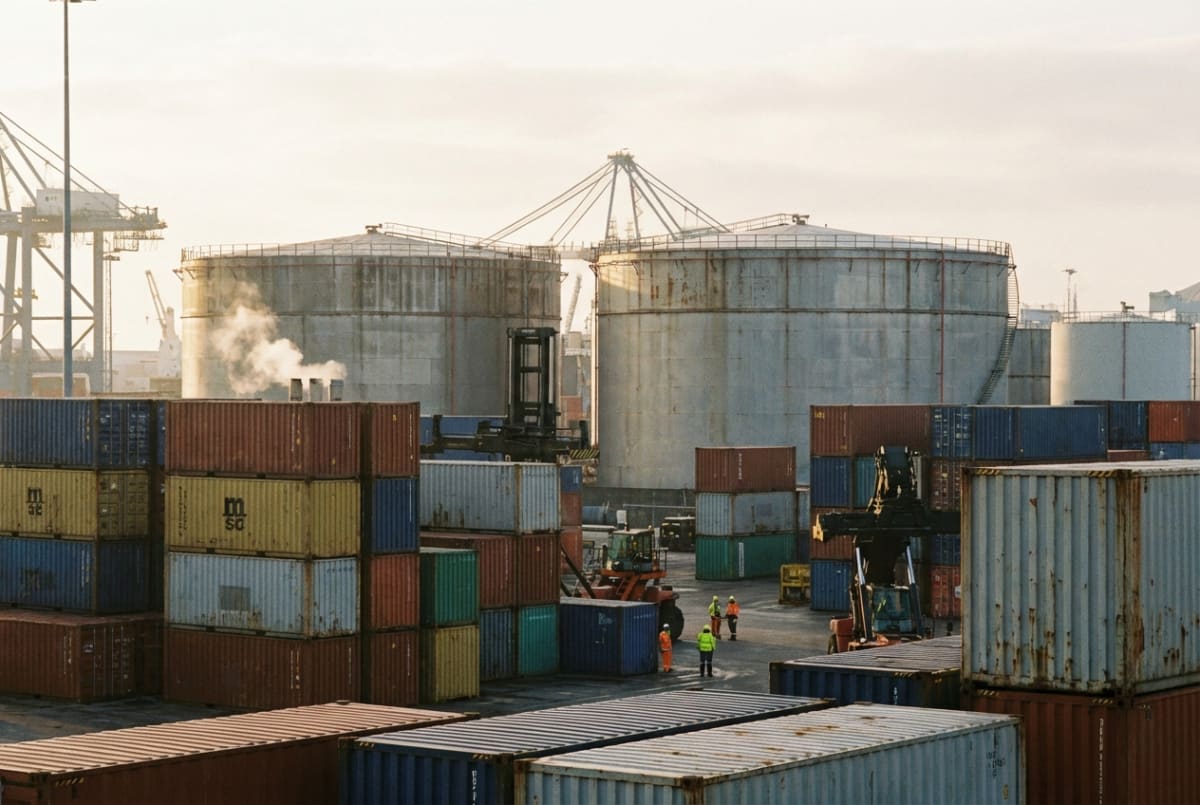
Deputy Governor Andrew Hauser used the term 'toxic inflation' to describe the current environment. Petrol prices have surged on the back of supply disruptions. The Strait of Hormuz, through which roughly 20% of the world's oil passes, remains effectively closed.
A record nobody wants
Australia now holds the highest interest rates among developed economies. It has been 910 days since the United States Federal Reserve raised rates. The European Central Bank last increased in September 2024. The Bank of England, September 2023.
The parallel that comes to mind is not a flattering one. In the early 1990s recession, Australian rates peaked at 17.5% as the RBA attempted to wring inflation out of the system. The unemployment rate reached 11.2%. The comparison is imperfect — rates today are far lower — but the dynamic of a central bank choosing between inflation control and employment is familiar.
Chalmers disagrees
Treasurer Jim Chalmers pushed back on the recession talk within hours of Bullock's press conference.
The Reserve Bank is not forecasting a recession either, and we need to be very careful about how we talk about this and talk about it in the most responsible way that we can.
— Jim Chalmers, Treasurer
The tension between Martin Place and the Treasury is now visible. Bullock warns of difficult choices ahead. Chalmers insists the economy remains sound. Both positions may be correct, depending on how the Iran conflict evolves over coming months.
The mortgage arithmetic
For a household with a $600,000 mortgage at a variable rate, Tuesday's decision adds approximately $91 per month to repayments, or $1,200 per year. Since the RBA resumed rate increases, the cumulative impact on that household is roughly $2,800 annually.
Roy Morgan estimates that 1.32 million mortgage holders, representing 27.2% of those with outstanding home loans, are now at risk of mortgage stress. That number will grow if the major banks pass on the increase in full, which they have typically done.
Business groups warn of damage
The Australian Chamber of Commerce and Industry released a statement before the rate had settled in the interbank market.
Higher interest rates will only add to the burden on businesses already under extreme cost pressures. This may be the final nail in the coffin for many businesses already stretched.
— Andrew McKellar, CEO, Australian Chamber of Commerce and Industry
The Australian Retailers Association echoed the concern. Small businesses with variable-rate debt facilities will feel the pinch immediately. Those in regional areas, where the fuel crisis has been most acute, face compounding pressures.
The interest rate critique
Economists are divided on whether the hike makes sense given the nature of the current inflationary pressure.
Inflation caused by a supply shock cannot be brought down by increasing interest rates. How can increasing Australian interest rates open the Strait of Hormuz?
— Matt Grudnoff, Senior Economist, The Australia Institute
The argument runs as follows: monetary policy works by cooling demand. But the current inflation spike is driven by supply constraints. Petrol prices are high because oil cannot get through. No amount of demand destruction will change that.
The RBA's counter-argument is that expectations matter. If households and businesses come to expect persistent inflation, they will build it into wage demands and pricing decisions, making it harder to dislodge. The central bank prefers to act early, even if the primary cause lies elsewhere.
What happens in May
All four major banks expect another rate increase in May, though Commonwealth Bank describes it as 'line ball'. The next CPI reading, due March 25, will determine whether the RBA has room to pause or whether a third consecutive hike becomes inevitable.
For households navigating higher fuel costs, rising food prices, and now increased mortgage repayments, the question is increasingly practical. How much more can budgets absorb before something breaks?
This article contains analysis and commentary on market conditions. It does not constitute financial, investment, or professional advice. Past performance is not indicative of future results. Always consult a qualified adviser before making financial decisions.
SOURCES & CITATIONS
FREQUENTLY ASKED QUESTIONS