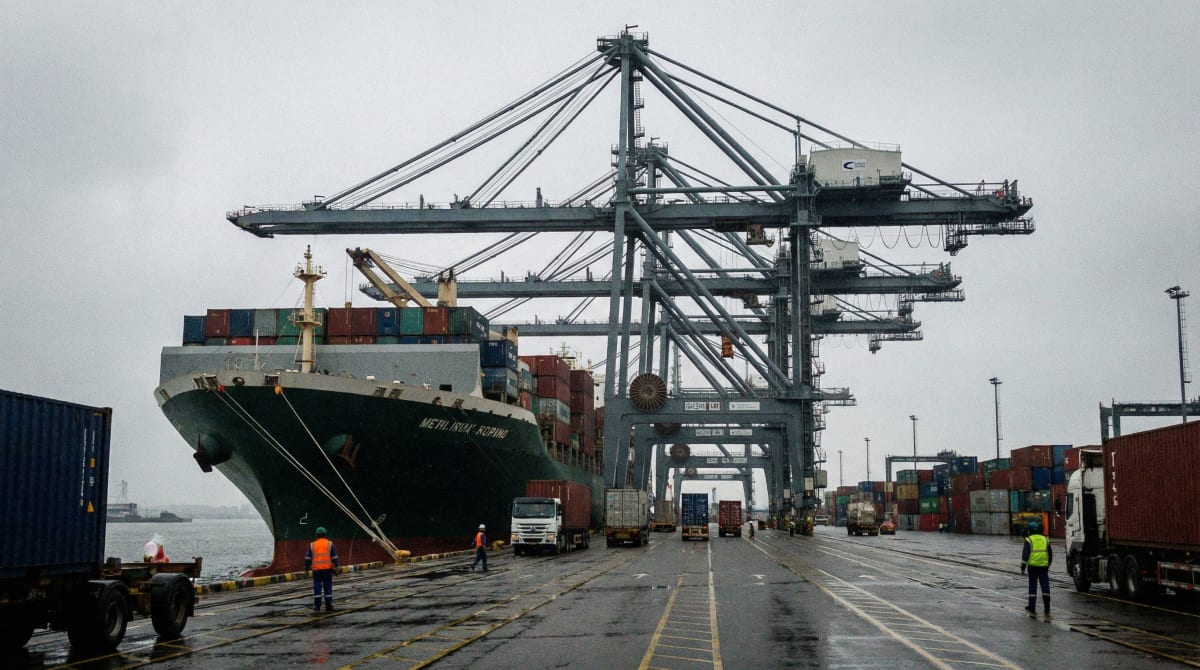
In Perth this week, the mood has been jubilant. Iron ore has defied the bears again, surging 18 per cent in a month to hit $120 a tonne. The trigger, as always, was a policy document from Beijing promising another round of infrastructure spending.
TLDR
Iron ore prices have rallied to $120 a tonne following China's latest infrastructure stimulus. However, a 30% reduction in future construction targets and a shift toward recycled steel suggest this demand spike is temporary. Australian miners celebrating a return to boom times are misreading a structural shift for a cyclical one.
For Western Australian miners and federal treasurers, $120 is the magic number. It means fat royalty cheques, budget surpluses, and the comforting sense that the old rules of the resources supercycle still apply.
But the view from Asia suggests the cheering in Australia is premature. What we are seeing is not the start of a new boom, but the final, structural winding down of the old one.
The Stimulus Has Changed
The headline numbers from the China State Council's announcement were certainly large enough to move markets. But the composition of that spending tells a different story to the one being read in Australian boardrooms.
Previous stimulus rounds were about pouring concrete. This one is about upgrading industrial capacity for the 'new three' industries: electric vehicles, batteries, and renewable energy. These sectors need steel, but they don't need the kind of steel intensity that built Ghost Cities in 2011.
Crucially, the stimulus package came with a stinging rider: a mandatory 30 per cent reduction in new construction targets by 2028. Beijing is not just trying to deflate the property bubble; it is explicitly engineering a smaller construction sector.
Scrap, Not Dirt
The other structural shift that gets ignored in Australian analysis is the rise of the Electric Arc Furnace (EAF). Unlike traditional blast furnaces, which require iron ore and coking coal, EAFs run on recycled scrap steel and electricity.
While total Chinese steel production rose 8 per cent quarter-on-quarter, the World Steel Association notes that nearly all new capacity approvals are for EAF facilities. China is now sitting on a billion tonnes of steel installed over the last two decades. As that infrastructure ages and is replaced, it becomes a massive domestic mine of scrap metal.
The principal challenge confronting China’s economic growth has shifted from supply-side constraints to demand-side constraints. Weak consumption reflects a structural distortion that infrastructure spending can no longer fix.
— Liu Shijin, Policy Advisor to the People's Bank of China
This transition — from digging dirt out of the Pilbara to recycling scrap in Hebei — is the existential threat to the Australian business model. We send 60 per cent of our iron ore to a single customer who is actively investing in technology to stop needing it.
The Last Cycle
It is tempting to look at the scoreboard — $120 a tonne — and conclude that the China bulls were right. But markets are often wrong at turning points. They price the present, not the structure.
This rally is real, but it is likely the last of its kind. The structural pivot in China away from property and towards high-end manufacturing is not a cycle; it is a destination. Australian miners should enjoy the cash flow while it lasts, but they should not mistake a sunset for a sunrise.
KEY TAKEAWAYS
SOURCES & CITATIONS
- China State Council, Infrastructure Stimulus Announcement, March 2026
- Australian Bureau of Statistics, International Trade in Goods and Services
- World Steel Association, Quarterly Production Report Q1 2026
- Liu Shijin, Comments on Structural Reform, Pekingnology Translation
- Photo by Shane McLendon on Unsplash
FREQUENTLY ASKED QUESTIONS