
TLDR
Iran has rejected a Pakistan-brokered 45-day ceasefire proposal and President Trump's Tuesday night deadline to reopen the Strait of Hormuz, insisting any agreement must be permanent. Trump called the proposal 'not good enough' and threatened to bomb Iranian bridges and power plants if the strait remains closed past 8pm Eastern on Tuesday.
KEY TAKEAWAYS
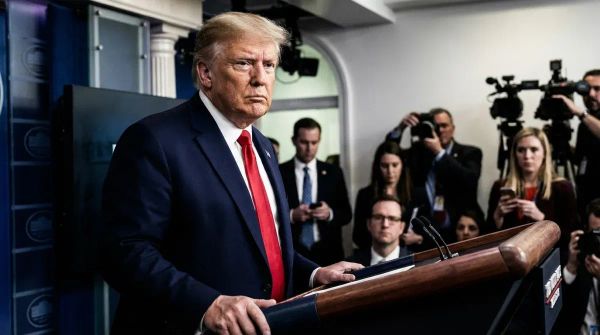
At the White House Easter Egg Roll on Monday, President Donald Trump was asked about Pakistan's proposal for a 45-day ceasefire that would reopen the Strait of Hormuz. Trump’s answer was short.
"Not good enough," Trump told reporters, before turning back to the crowd of children on the South Lawn.
The exchange captured where diplomacy stands three weeks into the US-Israel war on Iran: close enough for proposals to be exchanged, far enough apart that the world's most important oil chokepoint remains closed, and a new American deadline counting down to Wednesday morning GMT.
What Iran Actually Said
Iran's foreign ministry made its position explicit on Monday. Tehran would not reopen the Strait of Hormuz under a temporary truce. Any agreement, Iranian officials told Al Jazeera, must guarantee permanent cessation of hostilities, not a 45-day pause.
"We will not open the strait for a temporary ceasefire," Iran's foreign ministry said, according to The Times of Israel.
Pakistan had put forward the 45-day proposal in an effort to break the impasse. Islamabad, which maintains diplomatic ties with both Washington and Tehran, has positioned itself as a potential mediator throughout the conflict. The proposal called for a pause in Israeli and US strikes on Iranian infrastructure in exchange for Iran allowing tanker traffic through the strait. Iran's rejection suggests it does not trust a temporary arrangement, a reading consistent with its position throughout the conflict.
The rejection removes what markets had priced in as the most likely near-term off-ramp. Oil prices, which had fallen on ceasefire optimism last week, reversed course on Monday. Bloomberg reported that a "new Trump deadline looms as ceasefire push keeps markets on edge."
The Deadline and What Follows
Trump set the deadline in a social media post on Sunday, demanding Iran reopen the strait by Tuesday 8pm Eastern and threatening strikes on bridges and power plants if it did not comply. A follow-up clarification from the White House gave Wednesday 0000 GMT as the cutoff, roughly corresponding to Tuesday evening on the US East Coast.
This is not the first deadline Trump has set. He extended a previous ultimatum on March 26, according to NPR, after Iran told Washington it was studying ceasefire terms. The extension bought roughly ten days of negotiation that produced no agreement. Whether Trump extends again, or whether Wednesday brings genuine escalation, is now the central question for oil markets, regional governments, and the US military's Fifth Fleet in the Persian Gulf.
CNBC reported that Trump described Iran's response as meaningful but 'not good enough', language that leaves room for further negotiation even as it maintains the deadline's pressure. That dual-track posture, combining explicit threats with signals of ongoing engagement, has characterised US messaging throughout the conflict.
Allies Sitting It Out
One consistent thread in the conflict's diplomatic landscape is how few of Washington's traditional allies have responded to Trump's calls for naval support. Australia and Japan both declined his request to send warships to escort oil tankers through the strait, as Reuters reported in March. Most NATO members have backed ceasefire negotiations without endorsing US military action.
Australia's position is worth watching carefully. Canberra is heavily exposed to the conflict's economic effects: the diesel shortage that began in mid-March has already affected more than 300 service stations nationally, and shipping insurance premiums for vessels transiting through the Gulf of Oman have risen sharply. The federal government has repeatedly said that Australia's fuel reserves remain adequate, while declining to say how long they can hold if the strait closure extends into May.
The ANU's National Security College, in a March analysis, described Australia's posture as 'studied ambiguity', maintaining alliance solidarity with the United States while avoiding direct entanglement in a conflict whose legal basis under international law remains contested.
What to Watch
Three indicators matter most over the next 36 hours: whether the White House signals another extension before Tuesday evening; whether Iran makes any public statement moderating its position on permanent versus temporary ceasefire; and whether oil futures markets in Asian trading on Tuesday night show the kind of volatility that typically precedes a major geopolitical event.
Israel is a fourth variable. The Israeli Air Force has struck Kharg Island, Iran's primary crude oil export terminal, at least three times since the conflict began. Tel Aviv's willingness to continue those operations, or to pause them as part of a diplomatic offer, may matter more than what Trump posts on a Monday afternoon.
SOURCES & CITATIONS
- Al Jazeera | Iran war updates: Ceasefire response 'not good enough', says Trump
- CNN | Live updates: Iran war news, Tehran rejects temporary ceasefire, Trump sets Hormuz deadline
- CNBC | Trump says Iran ceasefire proposal significant but not good enough
- Bloomberg | New Trump Deadline Looms as Ceasefire Push Keeps Markets on Edge
- The Times of Israel | Iran says won't open Hormuz for temporary truce after Pakistan proposes 45-day ceasefire
- NPR | Trump grants Iran another extension on a deadline to reopen the Strait of Hormuz
- Reuters | Trump upset as US partners reject call for Hormuz warship escorts
FREQUENTLY ASKED QUESTIONS