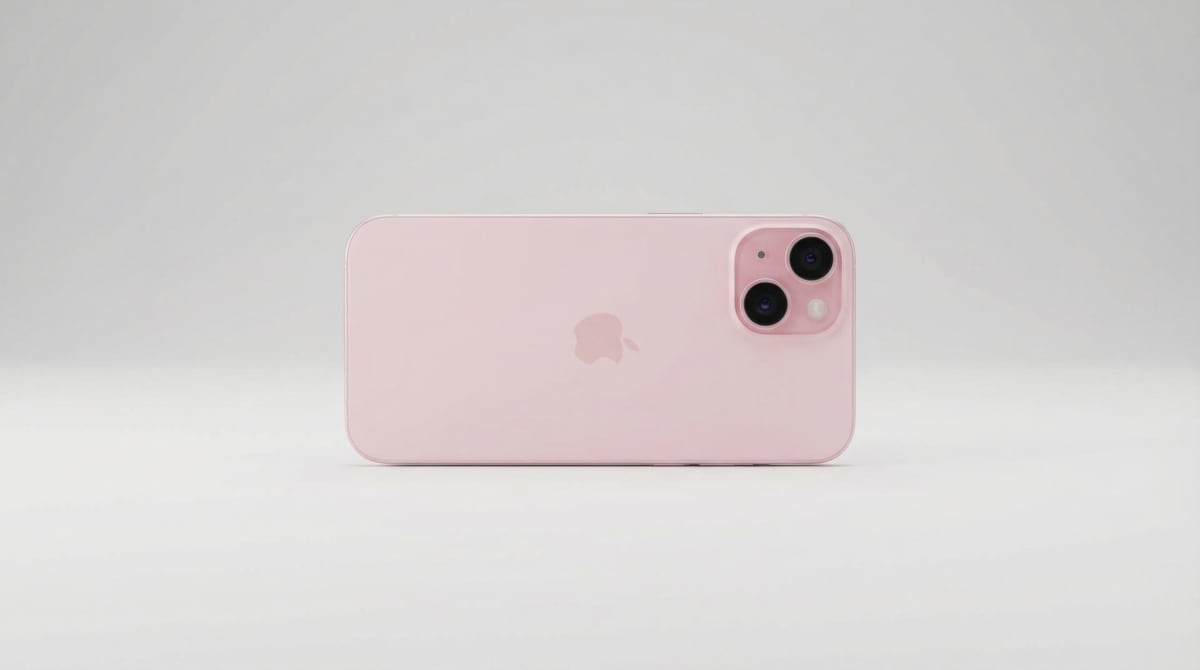
Apple announced the iPhone 17e on March 2, positioning it as the entry point to its 2026 iPhone lineup. The phone went on sale March 11 in Australia starting at A$999 for the 256GB model, with a 512GB option available at a higher price point.
TLDR
Apple's iPhone 17e has arrived with the A19 chip, matching the flagship iPhone 17's silicon at a A$999 starting price. The device includes a 16-core Neural Engine for on-device AI processing, MagSafe support, 256GB base storage, and Apple's custom C1X modem. It shipped on March 11 in Australia, available in black, white, and soft pink.
KEY TAKEAWAYS
The marketing pitch is familiar: flagship power at a lower price. What makes this iteration different is the silicon. The iPhone 17e runs the same A19 chip found in the standard iPhone 17, manufactured on TSMC's 3-nanometer process. That means 6 CPU cores, 4 GPU cores, and a 16-core Neural Engine with Neural Accelerators baked into each GPU core.
The AI hardware story
Apple has spent years building dedicated AI silicon while competitors relied on cloud processing. The A19's Neural Engine is the clearest expression of that strategy yet. It handles Apple Intelligence tasks on-device rather than shipping your data to a server farm.
The practical result: features like Writing Tools, Image Playground, and Genmoji run locally. Call Screening can analyse incoming calls from unknown numbers without any cloud connection. Hold Assist monitors phone queues and alerts you when a human picks up. Each feature feels minor on its own, but aggregated across millions of daily interactions, they represent a different relationship between user and device.
iPhone 17e is designed to stay fast, secure, and valuable for years to come.
— Kaiann Drance, Apple VP of iPhone Product Marketing
Apple has shipped neural processing hardware since the A11 Bionic in 2017, so the Neural Engine concept has years of refinement behind it. What's changed is the workload it's expected to handle, because running large language models on-device requires memory bandwidth and dedicated compute that previous budget iPhones lacked.
MagSafe finally arrives
The iPhone SE and iPhone 16e generations skipped MagSafe, limiting buyers to basic Qi wireless charging at 7.5W. The 17e adds MagSafe and Qi2 support, enabling 15W wireless charging. That's still slower than the 30-minute fast charge via USB-C cable, but it opens access to the MagSafe accessory ecosystem: car mounts, wallets, battery packs, and the snap-on cases that the iPhone 16e couldn't use properly.
The C1X modem is the other significant internal upgrade. Apple claims it uses 30% less power than the C1 modem in the iPhone 16 Pro while delivering faster cellular performance. Reduced modem power draw directly extends battery life, which Apple describes vaguely as 'all-day' without publishing specific hour counts.
Camera and display
The rear camera is a 48MP Fusion sensor, same as the iPhone 16e. Apple's marketing emphasises the optical-quality 2x telephoto capability, which is software-driven cropping from the 48MP sensor rather than a dedicated telephoto lens. The result is decent for social sharing but won't match the dedicated telephoto hardware in Pro models.
One genuine improvement: Ceramic Shield 2 covers the 6.1-inch Super Retina XDR display, offering 3x better scratch resistance than the previous generation according to Apple's testing. The display itself runs at a standard 60Hz refresh rate, not the 120Hz ProMotion found on higher-end models.
iOS 26 and what comes next
The iPhone 17e ships with iOS 26, which introduced the Liquid Glass design language Apple previewed at WWDC 2025. The operating system includes Live Translation in Messages and FaceTime, Visual Intelligence for on-screen queries, and the expanded Apple Intelligence feature set.
Apple's own documentation inadvertently confirmed iOS 26.4 for late March, with several independent sources corroborating the timing. The update should expand Apple Intelligence capabilities and address various bugs that persisted through the 26.0 to 26.3 cycle.
Pricing and availability
In Australia, pricing starts at A$999 for the 256GB model, with the 512GB variant available at a premium. Both storage tiers come in black, white, and soft pink, with pre-orders opening on March 5 at 1:15am AEDT and retail availability from March 11.
Apple offers trade-in credits: up to $100 USD for an iPhone 11, up to $195 USD for an iPhone 13 through Apple Trade In. Carrier deals may offer higher credits depending on plan commitments.
Satellite features including Emergency SOS, Roadside Assistance, Messages, and Find My via satellite are included free for two years from activation, same as other recent iPhone models.
Who this is for
The iPhone 17e makes sense for iPhone 11 or 12 owners who want Apple Intelligence without paying flagship prices. The A19 chip ensures software support for at least five years. The base 256GB storage addresses the biggest complaint about previous SE and e-series models.
It's less compelling for iPhone 15 or 16 owners, given that the camera improvements are incremental, the display remains 60Hz, and the design is functionally identical to the iPhone 16e.
For buyers cross-shopping with Android, the comparison is Samsung's Galaxy A-series or Google's Pixel 8a successor. The A19 outperforms both on raw benchmarks and longevity of software support. Whether that matters depends on how much you value the Apple ecosystem versus the flexibility of Android.
SOURCES & CITATIONS
FREQUENTLY ASKED QUESTIONS