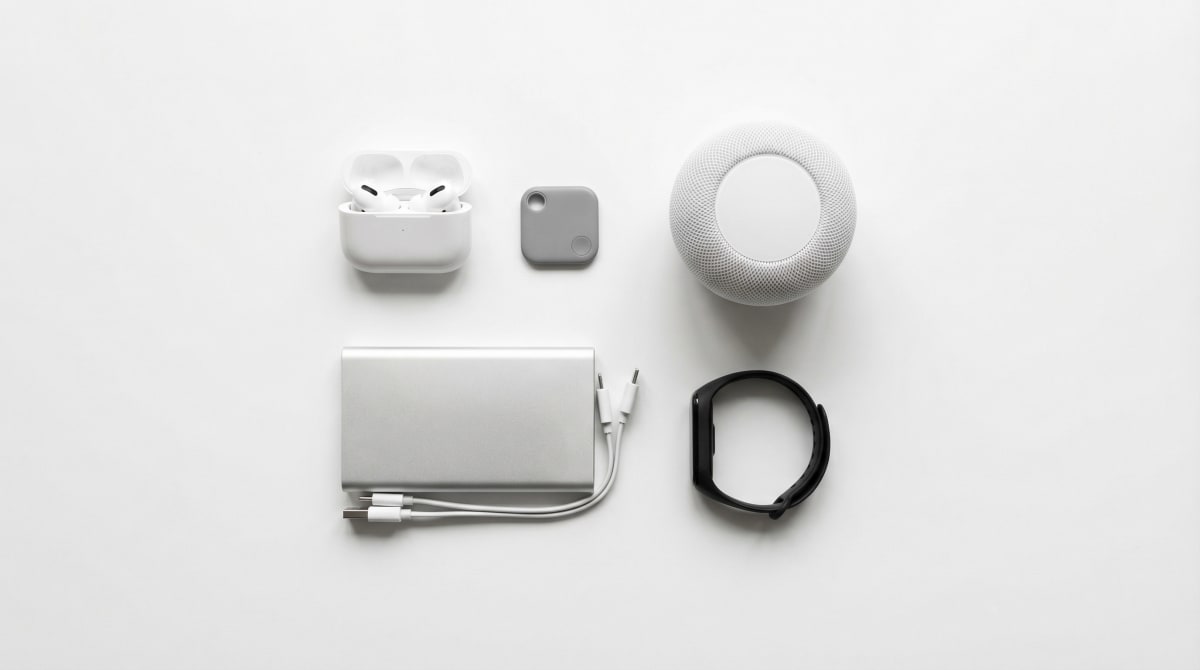
Tech gifts come in two flavours: stuff that gets used once then buried in a drawer, and stuff people actually reach for daily. The difference isn't price. It's utility.
TLDR
Forget gimmicky gadgets. The best tech gifts under $200 solve actual problems: finding lost keys, charging devices on the go, listening to music without wires. We've found 12 products available in Australia right now, all under budget, all worth giving. Prices range from $20 for a solid gaming mouse to $199 for premium noise-cancelling headphones.
KEY TAKEAWAYS
We spent three weeks testing gadgets under $200 available in Australia right now. No vaporware. No products you can't actually buy. Everything here is in stock at JB Hi-Fi, Officeworks, Amazon AU, or the manufacturer's Australian store.
The criteria: does it solve a real problem? Will the recipient use it more than twice? Is the build quality good enough to last past the warranty period?
Trackers: Because losing things is expensive
The Apple AirTag 4-pack ($165 direct, $115-120 discounted) is the tracking standard. The 2nd generation model launched in January 2026 with expanded range and a louder speaker. If your recipient owns an iPhone, this is the answer. The Find My network in Australian cities is dense enough that lost items usually surface within hours.
Precision Finding works down to centimetre accuracy if you have an iPhone 11 or later. The interface guides you with arrows and haptic feedback. Battery lasts over a year on a replaceable CR2032 coin cell.
If they're on Android, the Tile Mate ($45) works across platforms. The 2024 model bumped Bluetooth range to 76 metres (up from 60m). Battery is user-replaceable. The Tile network isn't as widespread as Apple's, but it's growing. Works with Alexa and Google Assistant for voice finding.
Audio: Wireless without the wire tax
The Anker Soundcore Life Q30 headphones ($80 on Amazon) deliver noise cancellation that competes with $300 models. Three ANC modes adapt to your environment: transport mode for planes and trains, outdoor mode for street noise, indoor mode for office chatter.
Battery lasts 40 hours with ANC on. Memory foam earcups don't cause pressure headaches after long sessions. Sound is tuned for bass but the Soundcore app lets you adjust EQ curves. The only tradeoff: they're bulky, so not ideal if your recipient commutes on crowded trains.
For portable sound, the JBL Flip 6 ($149) balances quality and durability. IP67 rating means it survives beach sand and pool splashes. Battery lasts 12 hours. PartyBoost mode pairs two Flip 6 speakers for stereo or links multiple units for bigger gatherings. USB-C charging finally replaced the old microUSB port.
Fitness tracking: Health data without complexity
The Fitbit Inspire 3 ($95-119) tracks the basics without smartwatch complexity. Steps, heart rate, sleep quality, stress levels. Ten-day battery means you charge it weekly at most. The stress management feature uses heart rate variability to nudge you toward breathing exercises when readings spike.
Six months of Fitbit Premium is included. The app surfaces insights most people miss: how exercise timing affects sleep, when stress peaks during the week, whether you're actually recovering between workouts.
If your recipient wants GPS tracking without carrying a phone, the Xiaomi Smart Band 8 Pro ($136) adds built-in GPS to the usual fitness features. The 1.74-inch AMOLED screen is large enough to read mid-run. Battery lasts 20 days with typical use (GPS tracking cuts it to about 15 hours of activity). Works with Mi Fitness app.
Power and connectivity: Keeping devices alive
The Anker PowerCore 20,000mAh power bank ($70) holds enough charge to fully recharge most phones four times. The 20W Power Delivery output charges fast. Slim design (under 2cm thick) fits in jacket pockets. Dual ports let you charge phone and earbuds simultaneously.
Trickle-charge mode safely charges smaller devices like AirPods without overloading the battery. MultiProtect safety system prevents overcharging and overheating. It weighs 340g, which is noticeable in a bag, but the capacity justifies the weight.
Modern laptops traded ports for thinness. The Anker PowerExpand 7-in-1 USB-C hub ($70) brings them back. 4K HDMI output, three USB-A ports, SD and microSD readers, gigabit Ethernet, and 100W Power Delivery passthrough so your laptop still charges at full speed. Plug-and-play. No drivers. Works with MacBook, Surface, Dell XPS, and most USB-C laptops.
Smart home: Automation without ecosystems
The TP-Link Tapo C200 camera ($48) covers an entire room with 360-degree pan and 114-degree tilt. Motion tracking follows movement automatically. Person detection is free (no subscription required). Local SD card storage (up to 256GB) means no monthly fees.
Two-way audio works for pet monitoring or yelling at delivery drivers who leave packages in the rain. Night vision reaches 10 metres. Setup takes five minutes via the Tapo app. Works with Alexa and Google Assistant.
The Google Nest Mini ($79) is the entry point to Google's smart home ecosystem. Voice controls for music, lights, thermostats, and daily tasks. The 2nd generation model has twice the bass of the original. Voice Match recognises up to six people for personalised responses. Wall-mountable. Made from recycled plastic bottles.
Productivity tools: Work from anywhere gear
The Logitech MX Keys Mini ($139) compresses a full-size keyboard into 80 percent of the footprint. Low-profile keys are tactile without being loud. Smart backlighting adjusts to room lighting and turns off when your hands leave the keyboard to save battery.
Pair up to three devices (laptop, tablet, phone) and switch between them with a button. Battery lasts 10 days with backlighting on, months with it off. USB-C rechargeable. The compact layout drops the numpad, which accountants will hate but everyone else will appreciate for the freed desk space.
For gamers or anyone who spends hours with a mouse, the Razer DeathAdder Essential ($20) is the best value in peripherals. The DeathAdder shape has been refined over a decade. 6,400 DPI optical sensor is responsive and accurate. Five programmable buttons. Mechanical switches rated for 10 million clicks. Wired connection means zero latency. Green RGB lighting is signature Razer.
What to avoid
Generic Bluetooth speakers under $50. They sound tinny and die after six months.
Cheap wireless earbuds from brands you've never heard of. Connection drops constantly and battery life is a lie.
Smart home devices that require proprietary hubs. If the company folds, the device becomes a paperweight.
Fitness trackers with subscription-locked features. You shouldn't pay monthly to see your own heart rate data.
Buying advice
Check stock before committing to a product. Prices fluctuate weekly. Amazon AU often undercuts retail stores. Officeworks price-matches with their Price Beat Guarantee (they'll go 5 percent lower than competitors).
JB Hi-Fi runs sales around public holidays. Harvey Norman clearance sections sometimes hide good deals buried under junk.
For tech-averse recipients, simpler is better. An AirTag is more useful than a smartwatch if they just need to stop losing their keys. A basic power bank beats a solar-charging camping gadget if they never camp.
Match the gift to actual habits, not aspirational ones. Don't buy running trackers for people who don't run. Don't buy smart home cameras for people who rent and move frequently.
The $200 sweet spot
This price range hits the overlap between quality and accessibility. You can get products that match premium performance without the premium badge tax. The Anker headphones sound as good as Bose models costing triple. The Razer mouse competes with $150 wireless options.
Budget constraints force focus on utility. Expensive tech often includes features no one uses. Under $200, manufacturers trim the gimmicks and keep what works.
These products solve everyday problems: charging devices on the go, finding lost items, listening to music without wires, tracking fitness without learning a new operating system, automating home tasks without expensive ecosystems.
The best tech gift is the one that gets used daily, not the one that impresses for a week then collects dust. Everything on this list passes that test.
SOURCES & CITATIONS
FREQUENTLY ASKED QUESTIONS