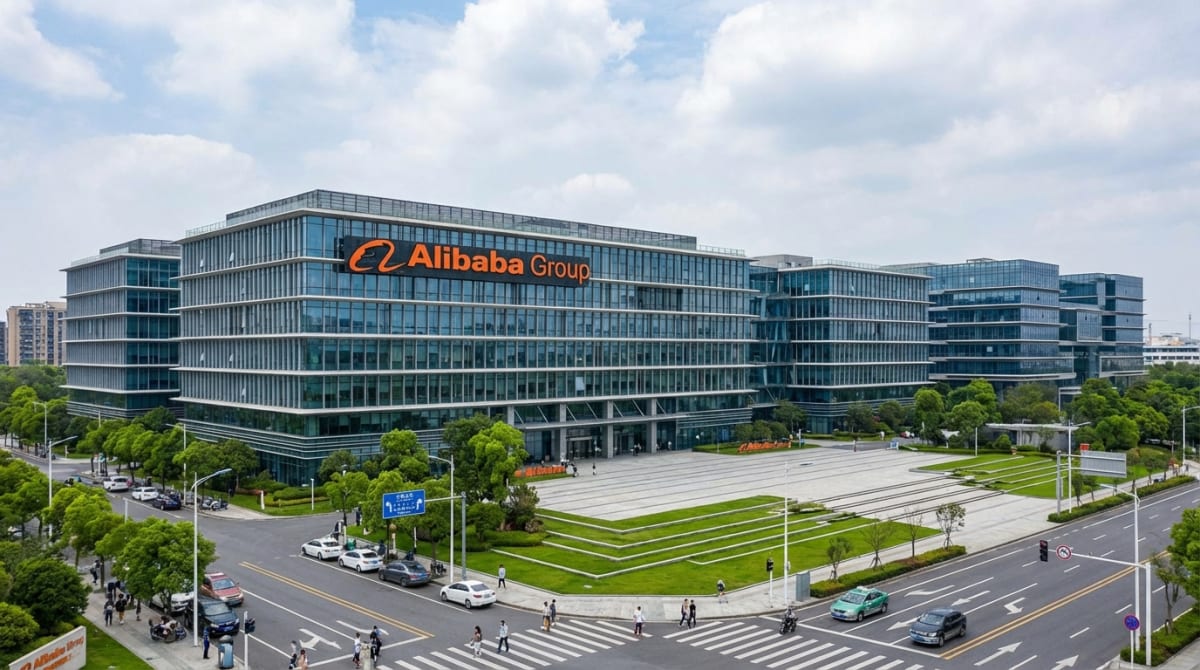
Alibaba reduced its workforce by approximately 34% during 2025 as the Chinese technology giant disposed of peripheral retail holdings to concentrate on artificial intelligence and cloud computing.
TLDR
Alibaba reduced its workforce by approximately 34% during 2025 as the company disposed of peripheral retail holdings to focus on artificial intelligence and cloud computing. The latest earnings showed net income fell 66% year-on-year as the company absorbed restructuring costs.
KEY TAKEAWAYS
The job cuts came as the company sold Sun Art, its hypermarket chain, and Intime, its department store business. Both sales were part of a strategic pivot away from traditional retail toward AI infrastructure.
CNBC reported that the restructuring resulted in net income falling 66% year-on-year in the quarter ending December 31. Revenue grew 2% to approximately $37 billion, meeting analyst expectations.
AI and cloud focus
The company has reoriented around its cloud computing division and AI capabilities. During the quarter, Alibaba released Qwen3.5-Max, the latest version of its large language model that competes with offerings from OpenAI and Anthropic.
According to Benzinga, Alibaba has set a target of $100 billion in annual revenue from its cloud and AI businesses. The company currently generates approximately $15 billion annually from cloud services.
Alpha Spread reported that the cloud and AI division showed strong growth despite the overall profit decline. The company has been investing heavily in data centres and AI infrastructure across China and Southeast Asia.
Retail exit
The disposal of Sun Art and Intime marks a significant shift for Alibaba, which had built a large offline retail presence over the past decade. The company is now focusing on e-commerce through Taobao and Tmall rather than physical stores.
Asia Times reported that AI has replaced approximately half of the customer service workforce at Taobao, while the logistics arm Cainiao has deployed unmanned warehouses that have lifted efficiency significantly.
The job cuts at Alibaba are part of a broader wave of layoffs across China's technology sector. Companies including Tencent, JD.com and ByteDance have all reduced headcount as they shift investment toward AI.
Market reaction
Alibaba shares fell following the earnings announcement as investors digested the profit decline. The stock has underperformed the broader market over the past year despite the AI pivot.
Invezz described the restructuring as a gamble that Alibaba's AI investments will generate returns sufficient to offset the lost retail revenue. The company faces competition from both domestic rivals and international technology giants.
Analysts remain divided on whether the strategy will succeed. The Chinese government has been supportive of AI development, but regulatory uncertainty continues to weigh on the sector.
Outlook
Management said the company expects to return to profit growth in the second half of 2026 as restructuring costs wind down. The AI and cloud businesses are projected to grow at more than 20% annually.
The workforce reduction brings Alibaba's headcount to approximately 170,000, down from more than 250,000 at its peak. Further cuts are possible as AI automation continues to improve productivity across the company's operations.
Competitive position
Alibaba faces competition from domestic rivals including Tencent, JD.com and ByteDance, all of which are also investing heavily in AI. The company has fallen behind in some areas, particularly short-form video and social commerce.
The AI pivot is intended to rebuild competitive advantage. Alibaba's cloud division has been growing market share in China and expanding internationally, though it remains smaller than Amazon Web Services and Microsoft Azure globally.
The company's Qwen AI models have received positive reviews from researchers. Alibaba has made some models open source, a strategy designed to build developer adoption and compete with both domestic and international AI labs.
The restructuring represents a bet that AI will be more profitable than traditional retail in the long term. Whether that bet pays off will depend on Alibaba's ability to monetise its AI investments while managing the transition costs.
Investors will be watching closely to see whether the AI pivot generates sufficient returns to justify the disruption.
SOURCES & CITATIONS
- CNBC — Alibaba workforce shrinks 34% in 2025 as Chinese tech giant doubles down on AI
- Benzinga — Alibaba Axes Thousands Of Jobs In Massive AI Pivot
- Invezz — Inside Alibaba's reset: 34% job cuts, profit shock, and AI gamble
- Alpha Spread — Alibaba Misses Revenue Estimates as Net Income Plunges 66%
- Asia Times — China's big layoff wave now buffeting its tech sector
FREQUENTLY ASKED QUESTIONS