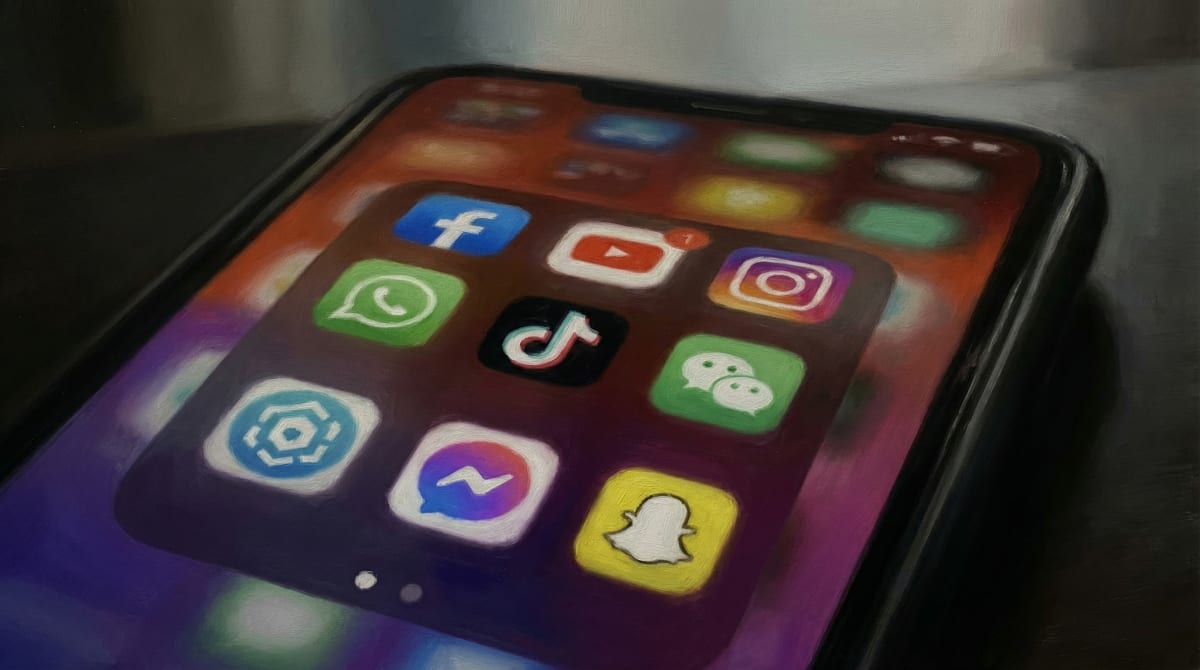
Liam is a 19-year-old apprentice mechanic from Blacktown. He spends $35 a week on prescription nicotine vapes. He has been vaping since he was 15. He started because his friends were doing it and because the bright packaging in the local convenience store made it look like candy. Most importantly, he started because everyone told him it was the safe alternative to smoking.
TLDR
Researchers at UNSW Sydney have published a review of over 100 studies concluding that nicotine vapes are likely to cause lung and oral cancers. The findings dismantle the industry narrative that e-cigarettes are a safe alternative to smoking. The study vindicates Australia's strict prescription-only vaping laws introduced by Health Minister Mark Butler.
KEY TAKEAWAYS
That $35 a week adds up to $1,820 a year. For an apprentice trying to save for a car and pay rent in Western Sydney, that money is a serious financial drain. But the real bill is just starting to arrive. It has nothing to do with his bank account and everything to do with his health.
A landmark review led by researchers at UNSW Sydney and published this week in the journal Carcinogenesis has dismantled the myth that vaping is a harmless habit. The researchers analysed more than 100 studies globally. Their conclusion is blunt: nicotine-based e-cigarettes are likely to cause lung and oral cancers.
The findings upend the narrative that has protected the vaping industry for a decade. We were sold a story that e-cigarettes were a cessation tool, a stepping stone away from the proven lethality of traditional tobacco. The reality is that the tobacco industry simply replaced one carcinogen delivery system with another and called it innovation.
The Science Is Catching Up
Adjunct Professor Bernard Stewart and Associate Professor Freddy Sitas led the UNSW research. They looked at the full spectrum of evidence. They examined clinical monitoring, animal studies, and the mechanical ways vapour interacts with human tissue. They did not conduct a single new trial. They aggregated the existing science to see the complete picture.
Stewart warned that we are repeating history. He said the same benefit of the doubt given to cigarettes in the 1950s should not be given to vapes today. Back then, doctors appeared in advertisements for smoking. Today, influencers perform vape tricks on TikTok. The marketing medium changed. The underlying deception did not.
We are repeating history. The same benefit of the doubt given to cigarettes in the 1950s should not be given to vapes today.
— Adjunct Professor Bernard Stewart, UNSW Sydney
Sitas noted that e-cigarettes are already known as a gateway to smoking. The new finding is that they carry their own direct cancer risk. Millions of young people worldwide are currently inhaling heated chemicals into their lungs daily. The public health implications are staggering. We are watching a slow-motion medical disaster unfold across an entire generation.
The Australian Medical Association has been warning about the unknown long-term effects of vaping for years. Now the unknowns are becoming known. The chemicals used to flavour vapes—the strawberry, the watermelon, the mint—break down into toxic compounds when heated. The lungs were not designed to process aerosolised heavy metals and volatile organic compounds.
The Cost of a "Safe" Alternative
I speak to people every week who are struggling to pay their grocery bills. They cut back on meat. They skip dental appointments. They cancel streaming services. Yet they maintain their vape habit because nicotine addiction overrides financial logic.
When you are addicted, the product is not optional. The tobacco companies know this. They designed vapes to deliver higher concentrations of nicotine than traditional cigarettes. They engineered a product that creates a tighter dependency. They aimed it squarely at teenagers and young adults who had no intention of ever smoking a cigarette.
Consider the financial trajectory for someone like Liam. If he continues spending $35 a week for the next ten years, he will hand over more than $18,000 to the companies manufacturing these devices. That is a deposit on a unit. That is an emergency fund. That is a holiday. Instead, it is revenue for an industry that is simultaneously degrading his respiratory system.
The structural cost to the Australian healthcare system will be massive. We spend billions treating smoking-related illnesses. The vaping epidemic guarantees that oncology wards and respiratory clinics will remain full for decades to come. Taxpayers will subsidise the medical care required to treat the damage caused by private companies.
Vindication for Hardline Policy
Australia has some of the strictest vaping laws in the world. Since 2021, nicotine vapes have required a prescription. In 2024, Health Minister Mark Butler pushed through legislation that effectively banned the retail sale of all vapes, regardless of nicotine content, moving them entirely to pharmacies.
The backlash was intense. Convenience store owners complained about lost revenue. Libertarian think tanks argued the government was treating adults like children. Users complained about the inconvenience and the cost of consulting a doctor. The black market adapted quickly, flooding schools and suburbs with illegal imports.
The UNSW study proves the hardline approach was necessary. Butler argued that vaping was a public health menace targeted at children. The data backs him up. When a product is likely to cause lung and oral cancers, regulating it as a restricted medical device is the bare minimum a responsible government should do.
The policy argument is over. The focus must now shift to enforcement. The Australian Border Force is intercepting millions of illegal vapes, but millions more slip through. The penalties for selling illegal vapes need to reflect the fact that the product causes cancer. A fine is just a cost of doing business for organized crime networks. We need sentences that act as an actual deterrent.
The Corporate Pivot
We need to talk about who makes the money. Big Tobacco saw smoking rates collapsing across the developed world. They needed a replacement product to maintain shareholder returns. They bought into the vaping industry heavily.
They deployed the exact same playbook they used in the twentieth century. They funded friendly research. They lobbied politicians. They created astroturf consumer rights groups. They insisted their product was about "harm reduction." They knowingly addicted a new generation of consumers while claiming they only wanted to help adult smokers quit.
They succeeded. Vaping rates among young Australians exploded. High schools had to install vape detectors in bathrooms. Teachers reported students experiencing nicotine withdrawals during double periods. The industry achieved its goal: securing a pipeline of lifelong customers.
The Carcinogenesis paper strips away the last layer of corporate respectability. You cannot claim to be a health-conscious alternative when your product is identified as a likely cause of oral and lung cancers. The ethical facade has collapsed. What remains is a highly profitable, highly addictive, and highly dangerous consumer good.
What You Can Actually Do About This
If you are vaping and want to stop, do not try to do it alone. Nicotine is one of the hardest substances to quit. Willpower is rarely enough when you are fighting a chemically engineered addiction.
- See your GP: Medicare covers consultations for smoking and vaping cessation. Your doctor can prescribe evidence-based therapies that actually work.
- Explore Nicotine Replacement Therapy (NRT): Patches, gums, and lozenges deliver nicotine without the aerosolised heavy metals and carcinogens found in vapes. They step your dosage down gradually.
- Access free support: Quitline (13 7848) provides free, confidential counselling. They have specific programs designed for young people trying to kick the vape habit.
- Talk to your kids: If you are a parent, assume your teenager has tried a vape. Have the conversation without yelling. Share the findings of the UNSW study. Give them the facts and offer support if they are already addicted.
We spent fifty years fighting the tobacco industry to get cigarette smoking rates down. We cannot afford to spend the next fifty years fighting the exact same battle against e-cigarettes. The financial cost is too high. The human cost is unacceptable. Liam deserves better than to be a revenue stream for a company that is poisoning him.
SOURCES & CITATIONS
FREQUENTLY ASKED QUESTIONS