WASHINGTON — The American-Israeli war against Iran has exposed further divisions between the two countries after an Israeli strike on Iran's largest gasfield angered allies in the Gulf and prompted Donald Trump to claim he knew nothing in advance about the attack.
TLDR
The Israeli strike on Iran's South Pars gasfield has exposed divisions between the United States and Israel over the conduct of the war. Trump claimed he did not know about the attack in advance and told Netanyahu to stop targeting energy infrastructure. Israeli officials dispute that claim.
KEY TAKEAWAYS
Speaking in the Oval Office on Thursday, Trump said he had spoken to Israel's Benjamin Netanyahu following the strikes on Iran's South Pars gasfield, part of a reserve shared with Qatar, and had told the Israeli prime minister to refrain from further attacks on energy infrastructure.
I told him, 'Don't do that,' and he won't do that. We didn't discuss [the strikes]. We do independent, but get along great. It's coordinated. But on occasion he'll do something, and if I don't like it ... and so we're not doing that any more.
— Donald Trump
Israeli officials dispute claim
Israeli officials disputed Trump's account, telling American and Israeli media that Washington had in fact been informed of the South Pars gasfield attack before it took place.
Late on Thursday, Netanyahu denied he had dragged the United States into the conflict. He told reporters: Does anyone really think that someone can tell President Trump what to do?
Different objectives
Tulsi Gabbard, Trump's director of national intelligence, told lawmakers that Israel and the United States have different goals in the war.
The objectives that have been laid out by the president are different from the objectives that have been laid out by the Israeli government, Gabbard told the House intelligence committee.
She said the Israeli government has focused on disabling Iranian leadership through targeted assassinations and attacks on civilian infrastructure. The president has stated that his objectives are to destroy Iran's ballistic missile capability and navy.
Regional fallout
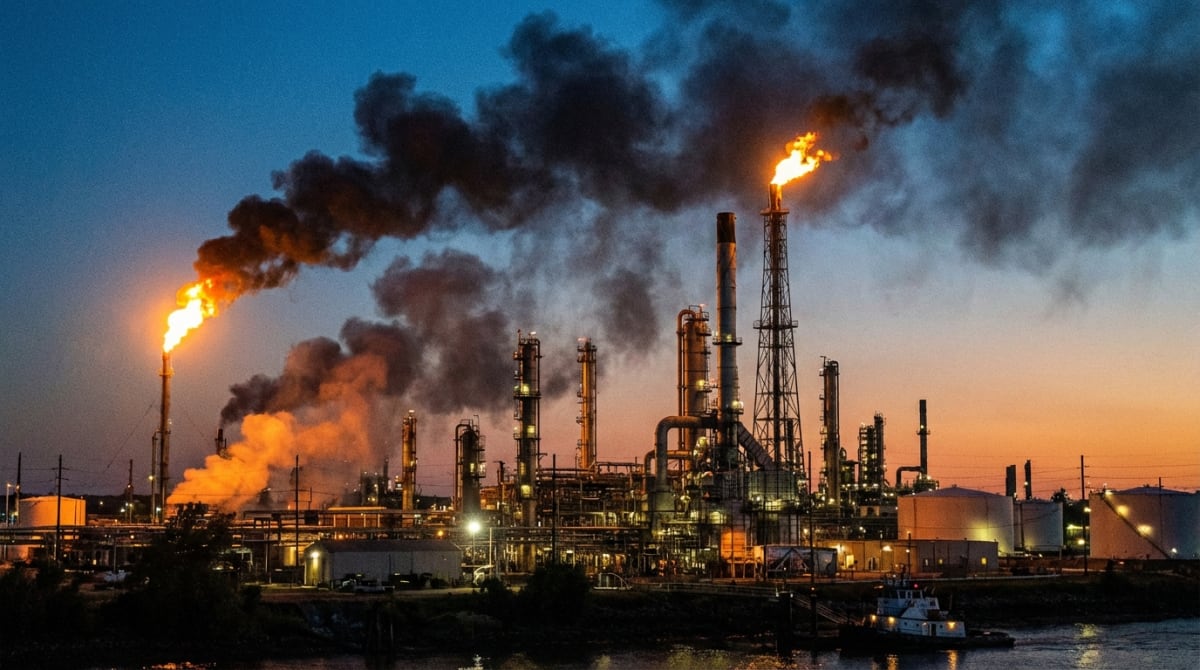
Israeli attacks on the South Pars gasfields have opened a Pandora's box of retaliatory strikes on Gulf energy infrastructure, including pipelines and natural gas processing facilities that serve liquefied natural gas to economies around the world, particularly in Asia.
Iran launched retaliatory attacks on Qatar's Ras Laffan Industrial City and Saudi Arabia's Samref refinery near the Red Sea port of Yanbu.
On Truth Social, Trump threatened massive retaliation if Iran attacked Qatar's energy infrastructure again, writing that the United States would blow up the entirety of the South Pars Gas Field at an amount of strength and power that Iran has never seen before.
Allied criticism
Israel's efforts to bring about regime change and its attacks on critical infrastructure have raised criticism from American allies who say Washington has allowed its foreign policy to be hijacked by Netanyahu's government.
The American administration's greatest miscalculation, of course, was allowing itself to be drawn into this war in the first place. This is not America's war, and there is no likely scenario in which both Israel and America will get what they want from it.
— Badr Albusaidi, Foreign Minister of Oman
Resignation
Anger over the Iran war has led to at least one prominent defection from within the administration. Joe Kent, the former director of the national counterterrorism centre, resigned from his post earlier this week.
In his resignation letter, Kent wrote that he could not in good conscience support the ongoing war in Iran, saying Iran posed no imminent threat to the nation and that the war was started due to pressure from Israel and its American lobby.
Nuclear program
Netanyahu claimed that thanks to the American-Israeli attacks, Iran could no longer enrich uranium or make ballistic missiles.
Gabbard told lawmakers that Iran had not carried out uranium enrichment since Israel attacked its nuclear infrastructure last year. She said Operation Midnight Hammer obliterated Iran's nuclear enrichment program and there had been no efforts since then to rebuild their enrichment capability.
Strategic outlook
The dispute over the gasfield strike reflects broader tensions over war aims. While the United States has focused on degrading Iran's military capabilities, Israel has pursued regime change through targeted assassinations and attacks on civilian infrastructure.
The strikes led to severe ecological concerns following the bombing of oil depots in Tehran, and prompted Iran to launch retaliatory attacks on Gulf energy infrastructure that has disrupted global supply chains.
Oil prices remain above 100 dollars per barrel and liquefied natural gas supplies have been disrupted by attacks on facilities in Qatar and Saudi Arabia.
SOURCES & CITATIONS
- Reuters — Trump tells Israel not to repeat strikes on Iranian energy as crisis deepens
- Associated Press — Israel strikes Tehran on Persian New Year
- POLITICO — Strike on key Iranian gas field is a new phase of the war. Trump blames Israel.
- CBS News — Iran war escalates, energy prices spike after Israeli strike on South Pars gas field
- The Guardian — Strike on Iran gasfield exposes US-Israel rift as Trump claims he did not know
FREQUENTLY ASKED QUESTIONS