I've been writing about property policy for long enough to recognise the pattern. A government announces a change dressed up in productivity language, the industry groups release supportive statements within the hour, and somewhere in the detail is a decision that will matter enormously to anyone trying to buy a home in the next decade.
TLDR
The Queensland LNP government has removed the 15% affordable housing requirement from State Facilitated Developments, a scheme Labor introduced in 2024 to speed up housing construction. The government says it's implementing a productivity commission recommendation about streamlining processes. Housing advocates warn this will produce more homes that ordinary buyers can't afford.
KEY TAKEAWAYS
Friday's announcement from the Queensland LNP fits the template precisely.
The State Facilitated Development scheme, which Labor introduced in 2024 to cut through council planning delays, originally required developers to set aside 15% of new dwellings as affordable housing. That mandate is now gone. In its place, developers will need council support before projects get approved, which the government says will make the scheme more collaborative.
What the government actually said
Deputy Premier and Minister for State Development Jarrod Bleijie announced the changes alongside Housing and Public Works Minister Meaghan Scanlon. The framing was deliberately dry: implementing recommendations from the Queensland Productivity Commission's October 2025 final report.
Recommendation 26 of that report called for streamlining SFD assessment processes. The government says removing the affordable housing mandate achieves this by reducing complexity for developers.
We want more homes built faster. These changes cut red tape and give developers certainty about what they need to deliver.
— Queensland Government ministerial statement, March 2026
The Property Council of Australia and Urban Development Institute of Australia both welcomed the announcement. That's roughly as surprising as the Swans welcoming a home final at the SCG. Industry bodies exist to advocate for their members, and their members just received regulatory relief worth millions across future projects.
What the productivity commission actually recommended
Reading the full QPC report is instructive. Recommendation 26 does call for streamlining, but the commission made broader points about housing affordability that didn't make it into Friday's press release.
The report noted that construction productivity in Australia has fallen 9% since 2018. If builders had maintained 2018 efficiency levels, we would have completed an additional 77,000 homes over that period. That's worth sitting with for a moment. We're building fewer homes per dollar spent, even as material and labour costs climb.
The commission's view was that process streamlining should complement affordability requirements, not replace them. Removing the mandate entirely appears to be the government's policy choice rather than a direct implementation of QPC advice.
The housing advocates' response
Q Shelter, the state's peak body for housing and homelessness services, issued a statement within hours of the announcement. Their concern is straightforward: more market-rate housing doesn't help people who can't afford market rates.
There is a risk that these changes will deliver more market housing that remains out of reach for low and moderate income households.
— Q Shelter, March 2026
Labor's Shadow Treasurer Cameron Dick was blunter, calling the decision a cut to affordable housing in the middle of a crisis.
The politics here are obvious. Labor introduced the mandate. The LNP removed it. Each side accuses the other of either stifling development or abandoning affordability. Neither framing captures the full picture.
What this means in dollars
Let me put some numbers on this. A 300-unit apartment development in Toowong or Chermside, approved under the old SFD rules, would have needed 45 affordable dwellings. In current Brisbane terms, that means units sold or rented at roughly 25-30% below median market prices. For buyers, that's the difference between a $620,000 two-bedroom apartment and one at $450,000. For renters, it might mean $380 per week instead of $520.
Under the new rules, the developer can sell all 300 at market rates. The project becomes marginally more profitable. The buyers who would have qualified for affordable units are back competing in the open market.
I bought a place in Western Sydney in 2007, three months before the GFC. Everyone told me it was a sure thing. It took six years to get back to what I paid. That experience taught me that property markets reward those with capital buffers and punish those who stretched. Affordable housing mandates exist because stretched buyers don't have other options.
The council support requirement
The new requirement for council support before SFD approval is the consolation prize for local government. Under Labor's scheme, the state could approve developments over council objections. Councils complained, sometimes with good reason, that projects landed in their areas without adequate infrastructure planning.
The change gives councils a veto of sorts. Whether they use it to block genuinely problematic projects or to protect existing residents from density they don't want remains to be seen. Both outcomes are historically common.
Brisbane, Gold Coast, and Sunshine Coast councils now have more leverage than they did a week ago. Developer proponents will need to factor that into their site selection and community engagement. The UDIA called this a move toward 'genuine partnerships between all levels of government and industry.' That's one way to describe a process that just got slower.
The numbers we're avoiding
Queensland added roughly 51,000 people in the year to September 2025. Not all of them need new housing. Many moved into existing rentals, spare rooms, or already-owned properties. But the state's dwelling completion rate hasn't kept pace with population growth for years.
Brisbane's median house price sits around $920,000. Units average $540,000. For a young couple on combined income of $160,000 before tax, buying a house requires a deposit of $184,000 assuming a 20% deposit and no lenders mortgage insurance. Even a unit needs $108,000 saved.
These aren't theoretical concerns. Every week I get emails from readers who've done the sums and can't make them work. The affordable housing mandate was one policy lever that could have helped at the margins. Whether it was the right lever, or whether the compliance costs outweighed the benefits, is a legitimate debate.
The government chose not to have that debate. It chose to remove the mandate entirely and call it productivity reform.
Where this leaves buyers
If you're looking to buy in Brisbane's middle ring suburbs over the next few years, the pipeline of SFD projects approved under the old rules will still deliver some affordable units. Woolloongabba, Albion, and Newstead all have projects in various stages of completion.
New projects approved from Friday forward will have no affordable component unless the developer voluntarily includes one. Some community housing providers may still partner with developers on specific sites. But the structural requirement is gone.
For renters, the impact is indirect but real. Fewer affordable purchase options means more demand in the rental market. Vacancy rates in Greater Brisbane are already below 1%. The maths gets harder from here.
I'll keep watching how councils respond to the new approval process and whether the government introduces alternative affordability measures. The productivity commission's report suggested several options beyond mandates, including density bonuses, inclusionary zoning incentives, and government co-investment. None of those featured in Friday's announcement.
For now, the Queensland housing market will continue as it has: building homes for people who can afford them, while the people who can't afford them wait.
SOURCES & CITATIONS
- Queensland Government ministerial statement on State Facilitated Development changes
- Queensland Productivity Commission Final Report, October 2025
- Q Shelter statement on SFD changes, March 2026
- Property Council of Australia Queensland media release
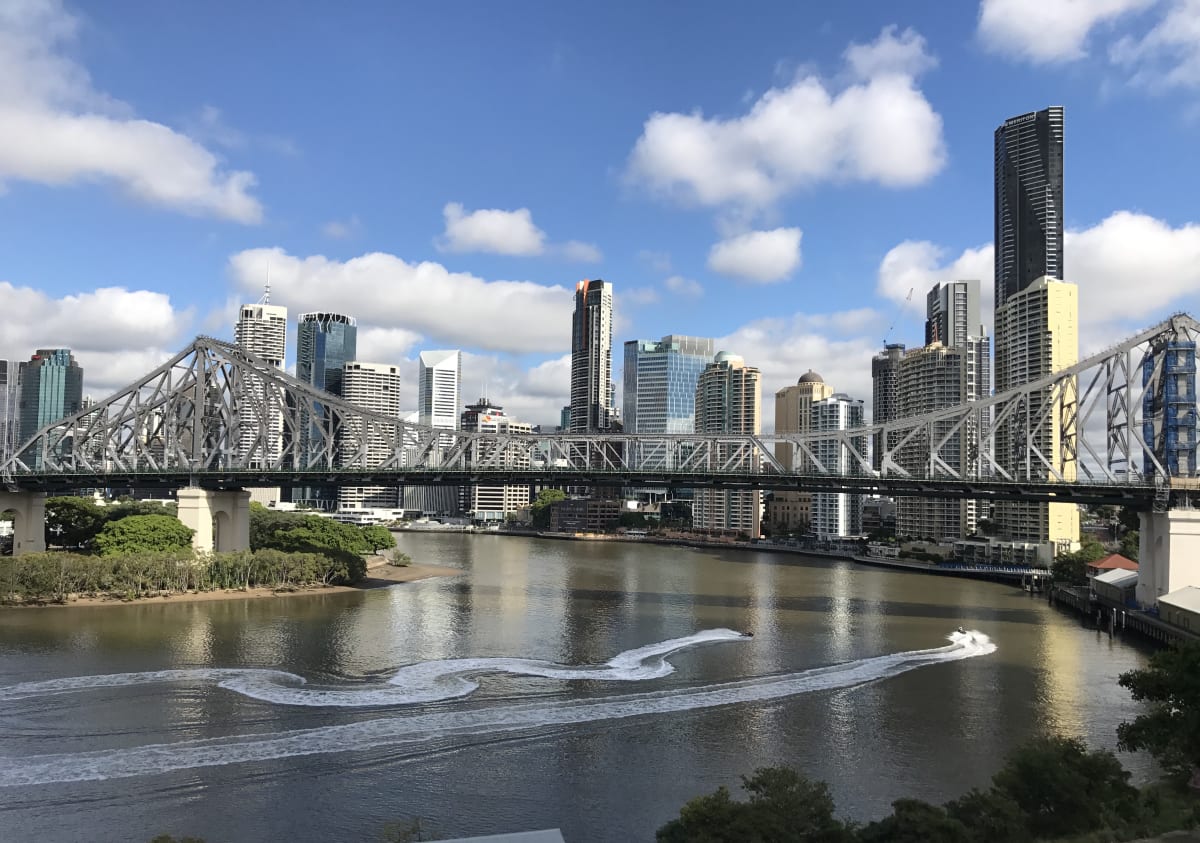
- Photo: Brisbane CBD from Bowen Terrace by Chris Olszewski
FREQUENTLY ASKED QUESTIONS