MELBOURNE — Jet fuel prices have doubled in two weeks. Melbourne travel agents are fielding cancellation calls daily. The European summer that many Australians had planned is now priced out of reach.
TLDR
Jet fuel prices have doubled in two weeks following the Iran conflict, pushing airfares sharply higher. Flight Centre reports a 34% increase in European trip cancellations from Melbourne customers. Travel agents say customers are switching to domestic destinations or postponing trips entirely.
KEY TAKEAWAYS
Flight Centre reported a 34% increase in European trip cancellations from its Melbourne stores in the past fortnight, according to data provided to Not Retired. The company said customers are citing airfare increases as the primary reason.
A Melbourne-London return fare that cost $1,687 in February now costs $2,847 on the same route and airline, according to price tracking by comparison site Skyscanner. The increase reflects fuel surcharges airlines have added since attacks on Gulf energy infrastructure disrupted global supply.
Customer response
Sarah Chen, a teacher from Brunswick, had booked flights to Rome for July. She cancelled this week after receiving notice of a $780 fare increase from her airline.
It feels very like COVID. You make plans and then something happens and suddenly you can't go.
— Sarah Chen, Brunswick
Marcus Webb, who runs a small accounting practice in South Yarra, cancelled a family trip to Spain. The fare increase for four passengers totalled more than $3,000.
Travel agents say customers are responding in three ways: cancelling outright, switching to domestic destinations, or postponing until 2027 in the hope prices stabilise.
Airline response
Qantas has added fuel surcharges of up to $400 per international return ticket since the Iran conflict began. A spokesperson said the airline was monitoring the situation and would adjust pricing as fuel costs changed.
Virgin Australia said it had not yet added surcharges to its international codeshare routes but was reviewing its position weekly.
Low-cost carriers that operate European routes from Australian hubs have suspended some services entirely. Scoot cancelled its Melbourne-Athens route through September, citing fuel cost uncertainty.
Industry impact
Tourism Victoria said it was too early to assess the impact on outbound travel but noted that domestic bookings had increased 18% in the past two weeks.
The Australian Federation of Travel Agents said members were reporting similar patterns across the country, with European cancellations up and domestic bookings rising.
Flight Centre's managing director said the company expected the trend to continue as long as fuel prices remained high. The company has increased staffing in its rebooking teams.
Fuel market
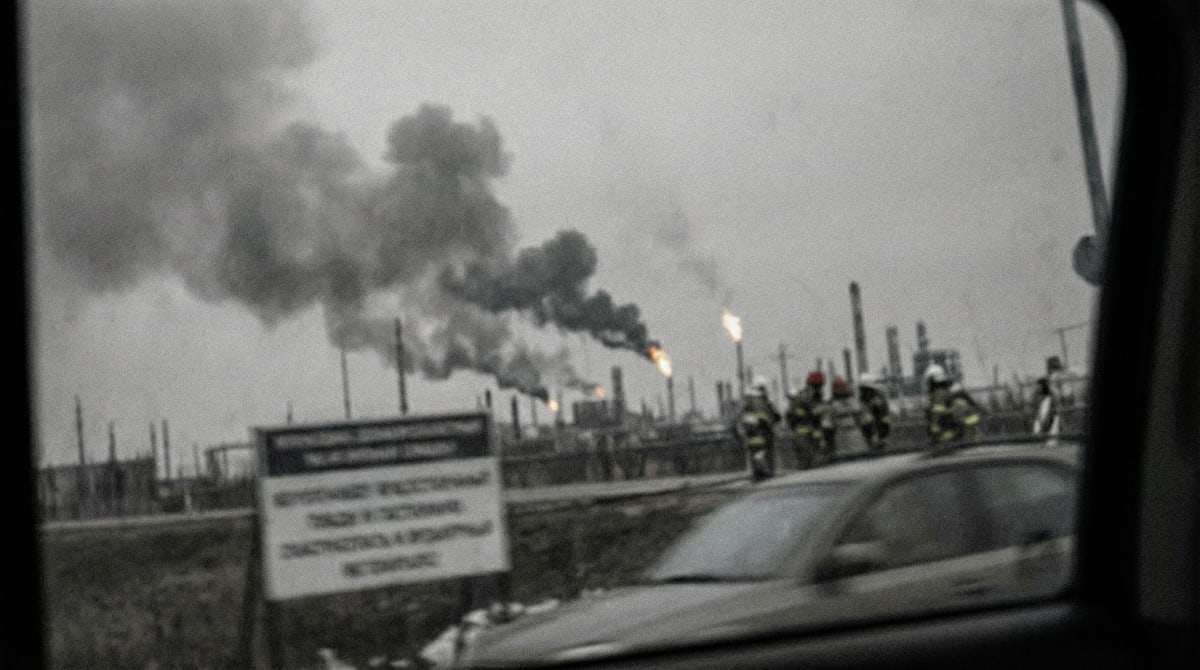
Jet fuel prices are closely tied to crude oil, which has risen above $113 per barrel following attacks on Iranian and Qatari gas facilities. The Strait of Hormuz, through which approximately 20% of global oil passes, remains a flashpoint.
Airlines typically hedge fuel costs months in advance, but the speed of recent price increases has outpaced hedging coverage. Analysts expect surcharges to stay high through at least mid-2026.
The International Air Transport Association said global airline fuel costs were 40% higher than the same period last year. It warned that some carriers could face financial pressure if prices stayed at current levels through the northern hemisphere summer.
Consumer options
Travel insurance policies purchased before the fuel price spike may cover cancellation costs, depending on the specific terms. Travellers are advised to check their policies carefully before cancelling bookings.
Some airlines are offering fee-free rebooking for customers who want to postpone rather than cancel. Qantas said customers could rebook international flights up to 12 months ahead without change fees, though they would need to pay any fare difference.
Credit card travel insurance, which many Australians rely on, typically does not cover cancellations due to price increases. It generally covers illness, injury, or events that prevent travel entirely.
Outlook
The situation remains tied to developments in the Persian Gulf. Any de-escalation of the Iran conflict could ease fuel prices and allow airlines to reduce surcharges. Analysts say a return to February price levels would likely take several months even after supply disruptions end.
For Melburnians who had planned European trips, the advice from travel agents is consistent: decide quickly whether to proceed, cancel, or postpone. Fare prices are changing daily and refund windows are closing.
SOURCES & CITATIONS
FREQUENTLY ASKED QUESTIONS