Brent crude oil briefly touched $119 per barrel in Asian trading on Thursday before pulling back to $112, after Iran launched missile strikes on energy infrastructure in Qatar and Kuwait in retaliation for Israeli attacks on its South Pars gas field.
TLDR
Brent crude briefly touched $119 per barrel on Thursday before pulling back to $112 after Iran struck Qatari and Kuwaiti energy infrastructure in retaliation for Israeli attacks on Iran's South Pars gas field. The International Energy Agency issued emergency demand-reduction measures, urging governments to reduce highway speeds and encourage working from home. U.S. President Trump told Israeli Prime Minister Netanyahu to stop targeting Iranian energy assets, but Israel launched fresh strikes on Tehran overnight.
KEY TAKEAWAYS
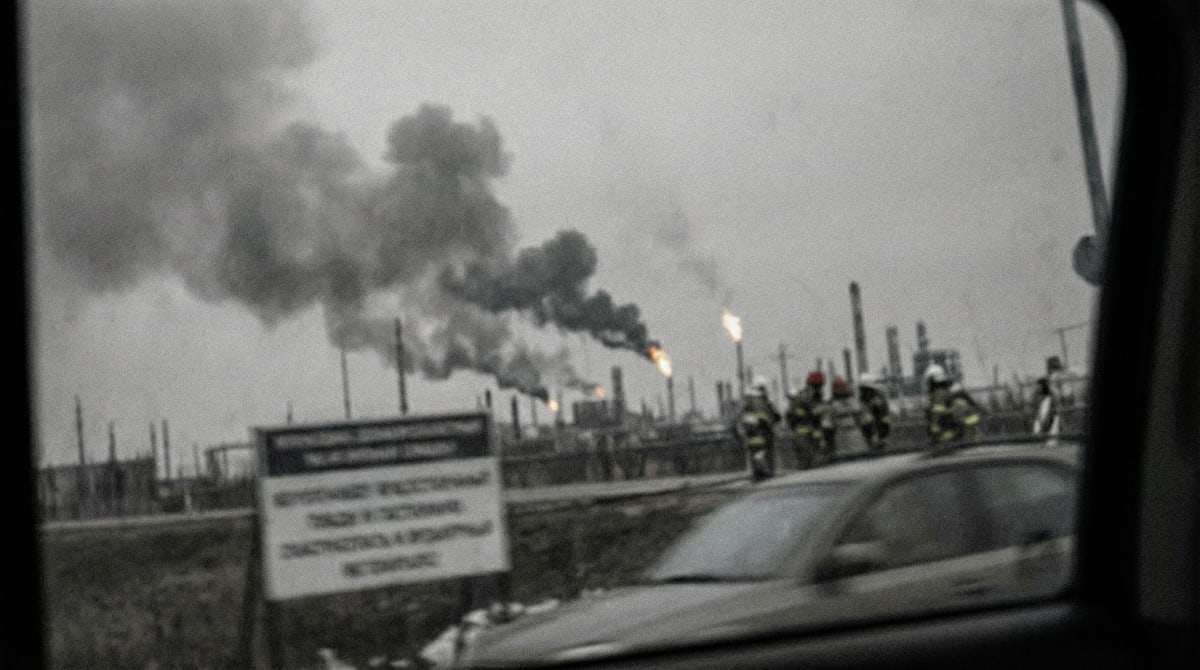
The Iranian strikes damaged liquefied natural gas export facilities in Qatar and set a Kuwaiti oil refinery ablaze, according to statements from both governments. Qatar's energy ministry said the damage would reduce LNG exports by 15 to 20 per cent for at least three months.
Brent futures settled at $112.40 per barrel, up 4.7 per cent from Wednesday. West Texas Intermediate crude closed at $101.85, up 5.8 per cent. Prices spiked above $119 in after-hours trading before moderating after U.S. President Donald Trump said he had told Israeli Prime Minister Benjamin Netanyahu to stop targeting Iranian energy assets.
The price surge came after Israel struck Iran's South Pars gas field on Wednesday, the first direct attack on Iranian fossil fuel production since the conflict began. South Pars is the world's largest natural gas field, shared between Iran and Qatar. The field produces roughly 40 per cent of Iran's natural gas output.
IEA issues emergency demand measures
The International Energy Agency issued 10 emergency demand-reduction recommendations on Thursday, urging governments to implement immediate measures to ease fuel shortages caused by the conflict.
The recommendations include reducing highway speed limits by 10 kilometres per hour, encouraging carpooling and working from home, limiting car access to designated zones in large cities by odd-even licence plate numbers, and reducing public transport fares to shift demand away from private vehicles.
The IEA had already ordered a 400 million barrel emergency stockpile release on March 11, the largest coordinated release in the agency's history. Global markets have lost approximately 15 million barrels per day of crude supply due to the closure of the Strait of Hormuz, which handles about 21 per cent of global oil trade.
Governments should consider all available measures to reduce oil demand and ease pressure on households and businesses facing higher energy costs.
— Fatih Birol, IEA Executive Director
Middle East benchmark crude prices hit record premiums on Thursday. Dubai crude traded at a $65 per barrel premium over Brent, the highest level ever recorded, according to trade sources and Reuters data. The premium reflects severe regional supply constraints and the risk of further escalation.
Trump distances himself from Israeli strike
Trump said on Thursday that he did not know about Israel's strike on South Pars in advance and told Netanyahu to refrain from further attacks on energy infrastructure.
Netanyahu confirmed in a press conference that Israel acted alone in the South Pars attack and that Trump had asked Israel to hold off on such strikes. But hours later, Israeli forces launched fresh airstrikes on Tehran during Nowruz, the Persian New Year celebration.
Iranian Foreign Minister Hossein Amirabdollahian warned on Thursday that Iran would show zero restraint if its energy infrastructure is targeted again. Iran has also hit oil facilities at Israel's port of Haifa, causing damage but no casualties, according to Israeli media reports.
The escalation has exposed a rift between the U.S. and Israel over targeting civilian energy infrastructure. Trump faces domestic political pressure over rising fuel prices ahead of November elections, while Netanyahu has stated Iran must be rendered incapable of enriching uranium and manufacturing ballistic missiles.
Australian impact
Australian motorists paid an average of $2.14 per litre for unleaded petrol on Thursday, up 18 cents from the previous week, according to data from the Australian Institute of Petroleum. Diesel prices rose to $2.26 per litre, up 22 cents.
Energy analysts warn that further price increases are likely if the conflict continues. Australia imports roughly 90 per cent of its refined petroleum products, with Singapore and South Korea as major suppliers. Both countries source crude from the Gulf.
Australian Energy Minister Chris Bowen said on Thursday that the government is monitoring fuel supplies closely but is not aware of any supply shortages at this stage. He urged motorists not to panic-buy fuel, which could create artificial shortages.
Jet fuel prices have more than doubled in the past fortnight, forcing airlines to raise fares or cancel routes. Qantas and Virgin Australia both announced fuel surcharges this week, adding $50 to $120 to international ticket prices depending on distance.
Asian markets react
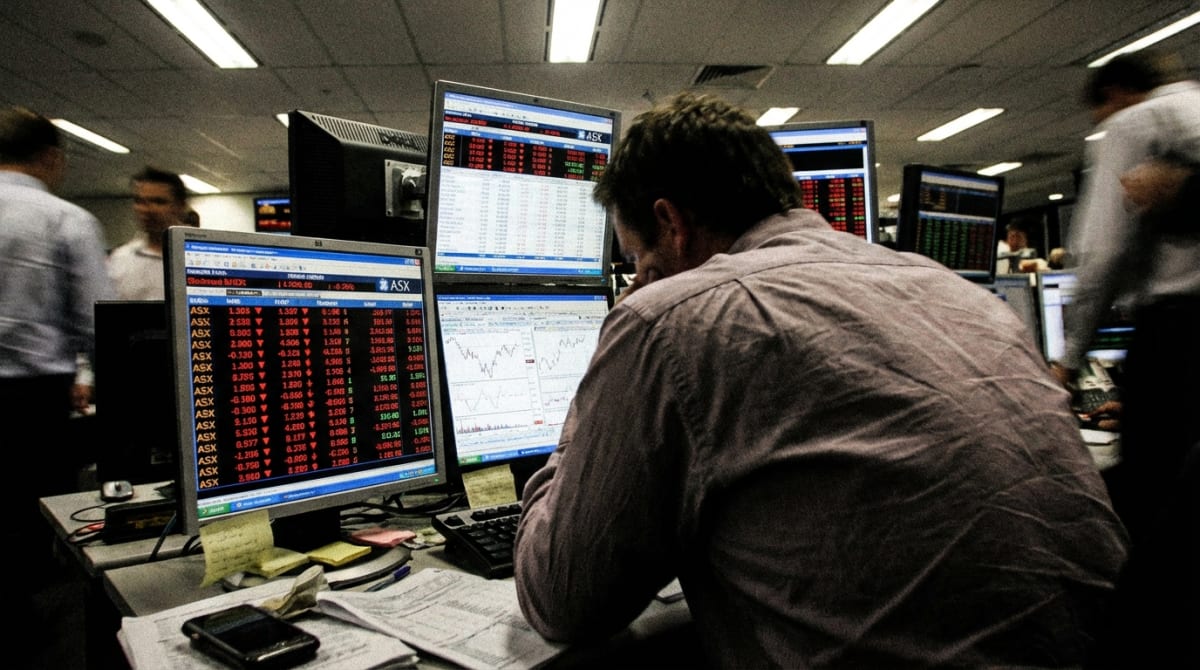
Asian stock markets fell on Thursday as oil prices surged. Japan's Nikkei 225 closed down 2.1 per cent, while Hong Kong's Hang Seng dropped 1.8 per cent. The ASX 200 fell 1.4 per cent, led by losses in consumer discretionary stocks as investors priced in weaker consumer spending.
Energy stocks rallied. Woodside Energy rose 4.2 per cent, Santos gained 3.7 per cent, and Beach Energy climbed 5.1 per cent. Australian LNG exporters stand to benefit from higher spot prices for liquefied natural gas, which have also surged following damage to Qatari facilities.
Chinese oil importers are scrambling to secure alternative supplies. China imported 11 million barrels per day from the Gulf in 2025, roughly 45 per cent of its total crude imports. Beijing has asked Saudi Arabia and the United Arab Emirates to increase production, but both countries have indicated limited spare capacity.
Singapore-traded refined product prices hit multi-year highs. Gasoline traded at $135 per barrel, while diesel reached $142 per barrel, both up more than 30 per cent from pre-conflict levels. The spread between crude and refined products has widened sharply, signalling refining capacity constraints across Asia.
SOURCES & CITATIONS
- International Energy Agency, Emergency Oil Release Statement, March 11, 2026
- Qatar Ministry of Energy, LNG Export Damage Assessment, March 19, 2026
- Reuters, Middle East Crude Premium Data, March 19, 2026
- Australian Institute of Petroleum, Weekly Fuel Price Report, March 20, 2026
- Trump Press Conference Transcript, March 19, 2026
- Netanyahu Press Conference, March 19, 2026
FREQUENTLY ASKED QUESTIONS