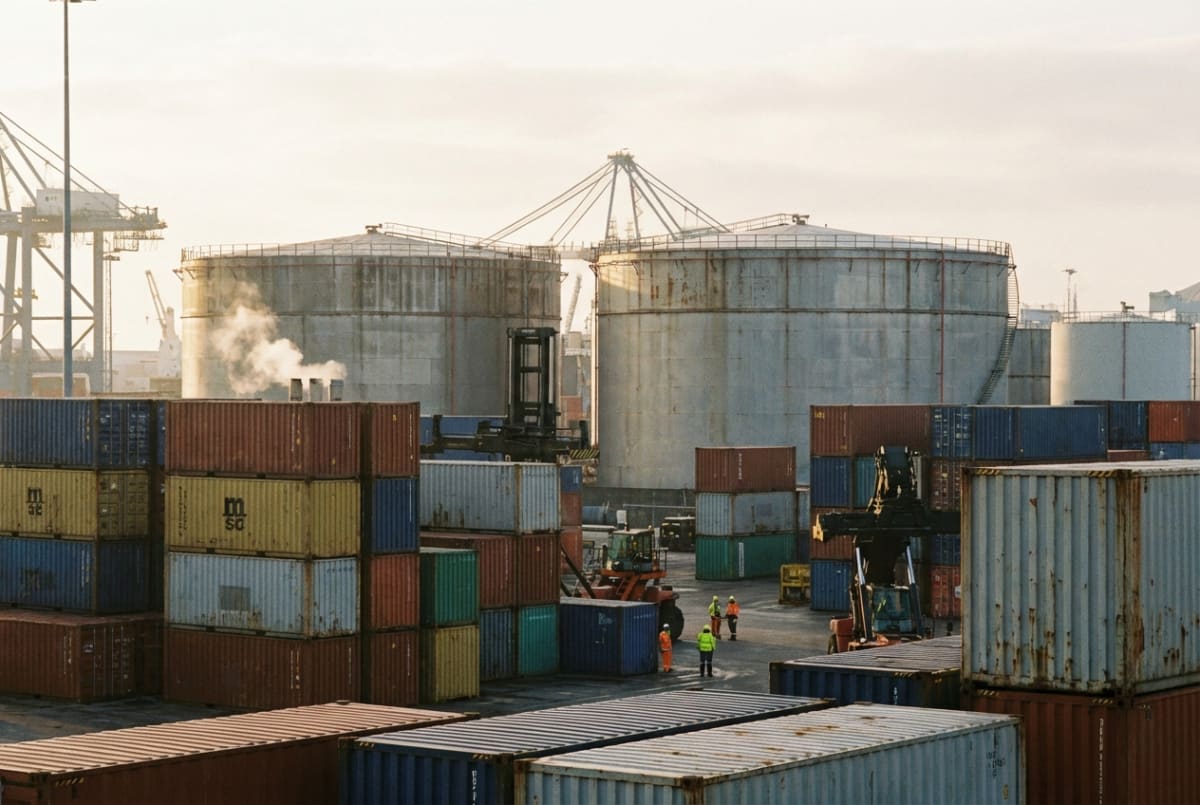
Diesel crossed $3 a litre in Sydney, Melbourne, Brisbane, Perth, Adelaide, Hobart and Canberra last week. Darwin was the only capital where the average stayed below that mark. The national average for unleaded petrol hit 219.5 cents a litre for the week ending March 15, up from around 169 cents before the Strait of Hormuz disruption began.
KEY TAKEAWAYS
The Nationals launched a platform called No Fuel Here on Monday to map service stations that have run dry across regional Australia. The party's leader, David Littleproud, said the tool had logged more than 300 stations without diesel in its first 48 hours.
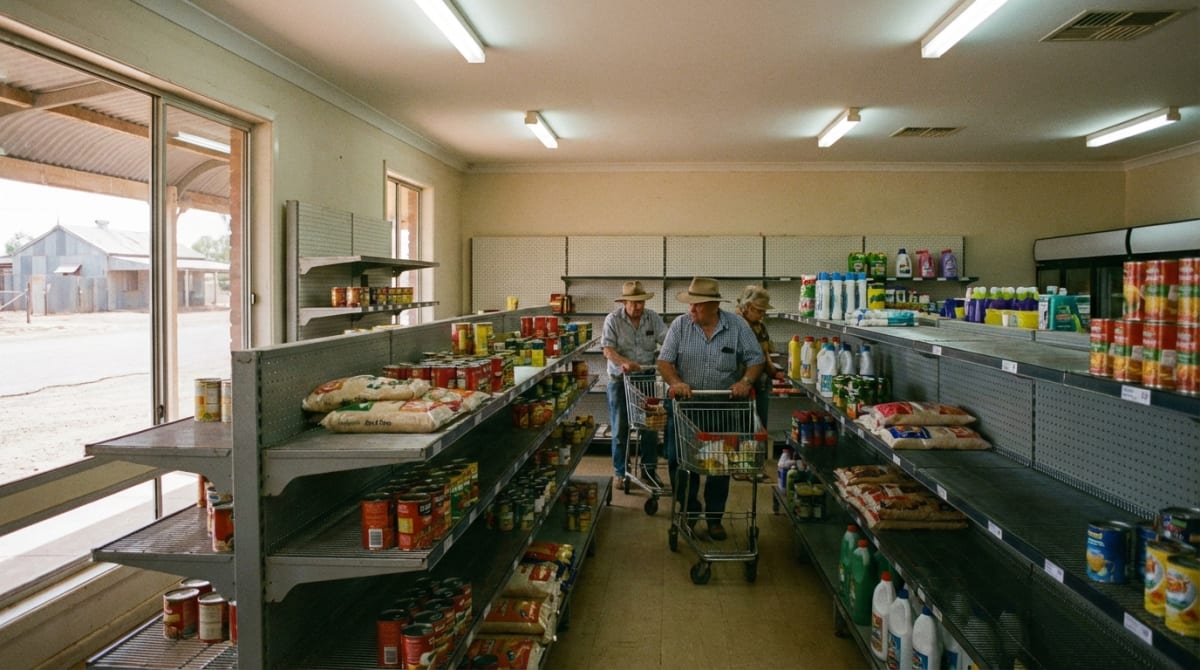
"We've got farmers who can't get fuel for headers, can't get fuel for trucks, can't move grain that's sitting in silos," Mr Littleproud told reporters in Canberra on Tuesday. "This isn't a city problem yet. It will be in about three weeks when the shelves start thinning out."
The numbers on the ground
In New South Wales, 51 out of roughly 2500 service stations have no unleaded petrol. Another 164 have no diesel. Victoria has 101 stations without petrol and 83 without diesel. Queensland, where the grain and cotton harvests overlap with the livestock transport season, has not published station-level data but the Nationals' mapping tool shows clusters of outages west of Toowoomba and through the Darling Downs.
The federal government ordered fuel companies to release more than 500 million litres of petrol and diesel from emergency reserves last week. Energy Minister Chris Bowen told Parliament the supply was being directed toward regional areas where shortages are most acute.
"The reserves exist for exactly this kind of situation," Mr Bowen said. "We are not at a point where rationing is required at a national level."
From the paddock to the checkout
The Australian Food and Grocery Council warned on Monday that prolonged diesel shortages could push grocery prices up by as much as 50 per cent. The council's chief executive, Tanya Barden, said transport accounts for between 8 and 15 per cent of the final cost of most food products.
"If diesel stays above $3 for another four to six weeks, those costs are going to have to get passed up the supply chain," Ms Barden said. "It lands on consumers. There's nowhere else for it to go."
Meat and seafood prices have already risen 4.5 per cent in the 12 months to February 2026, according to the Australian Bureau of Statistics. Fruit prices are up 12.3 per cent. The average Australian household now spends around $185 a week on groceries, up from $178 at the start of the year.
Western Australia's grain belt
WA Nationals leader Shane Love said some agricultural operations in the state's grain belt had stopped running entirely. Grain receivals at CBH Group sites in the Geraldton and Esperance zones are running 15 per cent below the same period last year.
"These are farms that produce wheat for export markets," Mr Love said. "If they miss the harvest window, that grain sits in the field and rots. You don't get a second chance."
CBH Group has not commented publicly on supply disruptions. The company handles around 90 per cent of Western Australia's grain exports.
The $40 cap that wasn't
Senior government figures distanced themselves on Tuesday from official advice suggesting a $40 cap at the petrol pump could help tackle critical fuel shortages. Assistant Treasurer Stephen Jones said the idea had been raised by department officials but was not under active consideration.
"We can knock that one on the head," Mr Jones told ABC Radio National. "A price cap would create lines around the block. We saw that in the 1970s. It doesn't work."
The ACCC is monitoring fuel pricing behaviour nationally. Chair Gina Cass-Gottlieb said last week that the commission had received 1,200 complaints about price gouging at service stations since the crisis began.
"We are looking at whether any retailers have taken advantage of the supply disruption to inflate margins beyond what the wholesale price justifies," Ms Cass-Gottlieb told a Senate estimates hearing on Thursday. "We have the powers to act, and we will."
February CPI data, due on Wednesday, is expected to show inflation holding at 3.8 per cent for a third consecutive month. Westpac forecasts a 0.1 per cent monthly rise. The fuel spike will not show up in the February figures but will hit the March and April readings directly.
National Farmers Federation president David Jochinke said the organisation had written to the Prime Minister requesting a targeted diesel subsidy for agricultural operations.
"We're not asking for a blank cheque," Mr Jochinke said. "We're asking for enough fuel to get the harvest in. If the grain doesn't get harvested, the supermarket shelves thin out. It's that direct."
TLDR
Diesel has passed $3 a litre in every Australian capital except Darwin. Hundreds of regional service stations are running dry. Farmers in Queensland, WA and Victoria say they cannot get the fuel they need to harvest crops and move livestock. Industry bodies warn food prices could rise by up to 50 per cent if the shortage persists into April.
SOURCES & CITATIONS
FREQUENTLY ASKED QUESTIONS