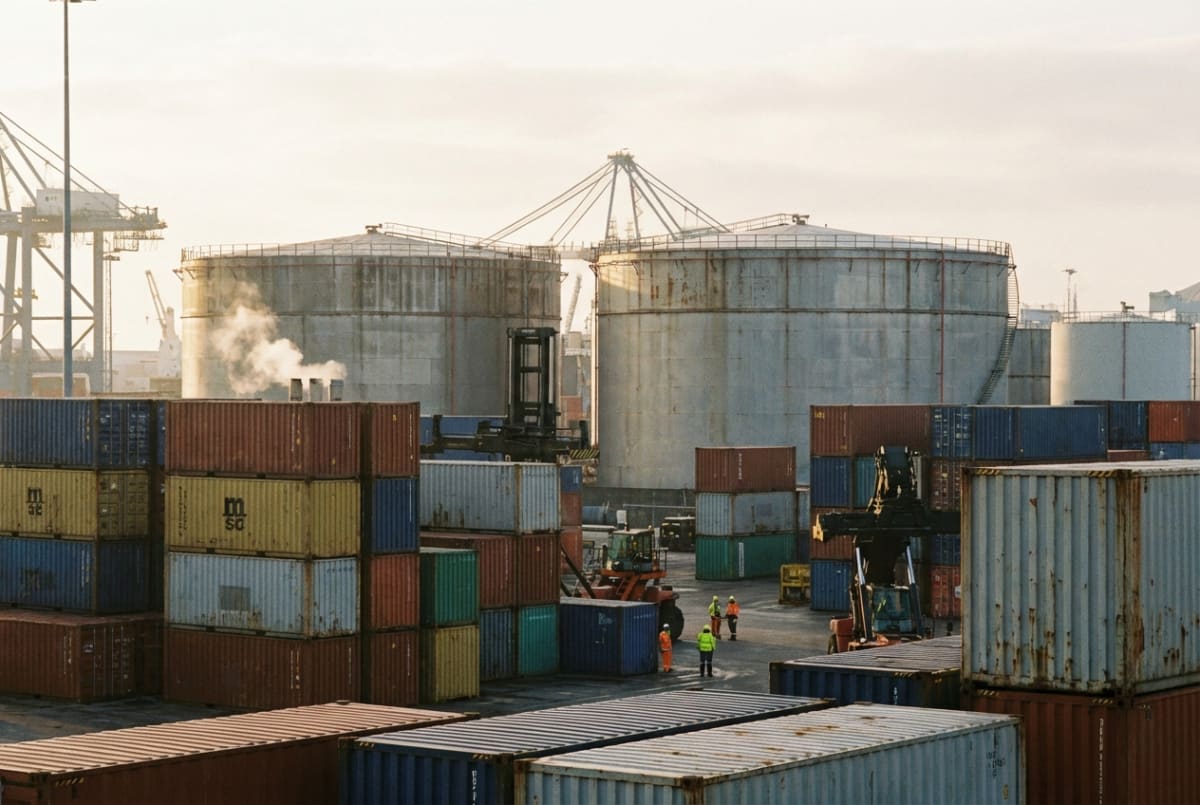
A severe cyclone with a very destructive core has battered Western Australia's Pilbara coast, knocking out almost two-thirds of the state's domestic gas supply and threatening Australia's fragile energy network.
KEY TAKEAWAYS
Ex-Tropical Cyclone Narelle intensified to a category four storm on Thursday before carving a path directly through the nation's most productive energy infrastructure. The Bureau of Meteorology recorded extreme wind gusts and heavy rainfall across the region before downgrading the system to a tropical low early Saturday.
The impact on resource operations was immediate and severe. Oil and gas giant Chevron confirmed it is experiencing significant outages at its flagship Gorgon gas facility. Woodside and Santos also suspended operations and evacuated non-essential personnel from offshore platforms ahead of the storm. Facilities remain offline as engineering teams conduct structural damage assessments.
National energy security exposed
The disruption has triggered immediate alarm over national fuel and energy security. Supply chain experts warn the shutdown could have cascading effects across the country.
Australia's liquid fuel reserves are notoriously thin. Taking out this massive volume of Pilbara processing capacity exposes just how precarious national energy security really is when a single severe weather event can shock the entire system, according to independent energy supply chain analyst Dr Sarah Jenkins.
Recovery efforts underway
On the ground, recovery efforts are underway. Department of Fire and Emergency Services Commissioner Darren Klemm reported emergency crews have responded to dozens of calls for assistance across the Pilbara, primarily for torn roofs and severe water ingress. Flights to the region remain cancelled, about 50 schools are closed, and major transport highways are flooded.
Government officials are now scrambling to secure domestic energy reserves. The Western Australian Premier has issued a strict transparency warning to fuel suppliers to prevent price gouging at the bowser while critical LNG plants and processing facilities remain offline.
Economic ripple effects
Local businesses dependent on mining and energy supply have reported disruptions to service delivery and supply chains. Contractors and suppliers in the Pilbara describe delayed projects, with some shorter work weeks and temporary layoffs as facilities stay offline. The wider economy faces risk as LNG contracts and export volumes tighten ahead of summer demand.
Energy traders warn of price volatility across regional markets as inventories tighten and replenishment efforts lag behind demand. Policy makers are considering temporary measures to stabilize the market, but the balance between export revenue and domestic resilience remains contentious.
What comes next?
Recovery will depend on the speed of damage assessments, repair work, and the ability of LNG plants to return to full capacity. Analysts expect a gradual normalization over weeks to months, with potential policy interventions to safeguard domestic supply if outages persist.
As climate volatility continues to threaten energy infrastructure, the cyclone underscores the need for diversified energy sources, strategic reserves, and enhanced grid resilience to prevent cascading disruptions from single-weather events.
TLDR
Ex-Tropical Cyclone Narelle battered WA's Pilbara coast as a category 4 storm, knocking out almost two-thirds of the state's domestic gas supply. Chevron's Gorgon facility, Woodside, and Santos all suspended operations. Supply chain experts warn the shutdown exposes how precarious Australia's national energy security is when a single weather event can shock the entire system. Recovery efforts underway, but LNG plants remain offline.
SOURCES & CITATIONS
FREQUENTLY ASKED QUESTIONS