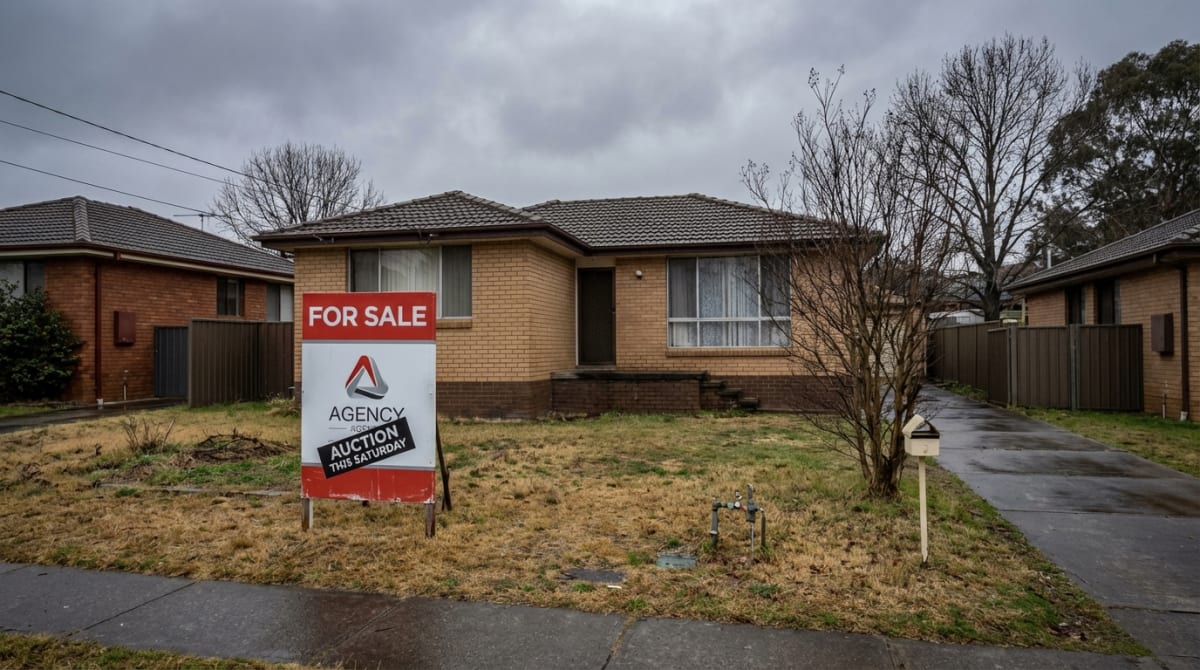
The Albanese government has given one of its strongest signals yet that the capital gains tax discount will be reformed in the May budget, following a parliamentary inquiry that found the 27-year-old policy contributes to intergenerational inequality in housing.
TLDR
Labor has signalled it may reform the capital gains tax discount in the May budget after a parliamentary inquiry found the 27-year-old policy helps fuel housing inequality. Treasury is modelling a reduction from 50% to 33% for property investors while keeping the full discount for shares. The top five electorates capture 22% of CGT benefits while the bottom 10 get just 1.6%.
KEY TAKEAWAYS
A Greens-led inquiry released findings on Tuesday showing the 50 per cent CGT discount, introduced by the Howard government in 1999, has skewed housing ownership away from owner-occupiers and towards investors.
What the inquiry found
The benefits of the capital gains tax discount are also unequally distributed, with implications for income and wealth inequality and intergenerational inequality.
— Parliamentary inquiry report
Treasury is now modelling changes that could see the discount reduced to 33 per cent for housing investors while retaining the current 50 per cent rate for shares and other investments. The two-tier approach would target property speculation specifically rather than broader capital investment.
Who benefits from the current system
Research from the Australian Council of Social Services shows the CGT discount overwhelmingly benefits wealthy electorates. The five highest-earning electorates capture 22 per cent of all CGT discount expenditure. The bottom 10 electorates receive just 1.6 per cent.
Greens Treasury spokesperson Nick McKim used the report to argue for ambitious reform.
The discount means that if you go to work as a teacher, a bartender or software developer you pay double the amount of tax than someone who received the same amount of money taking advantage of soaring property prices by buying and selling investment properties. It means that someone who speculates on housing pays a lower rate of tax than the carpenters, plumbers and electricians who actually build the houses.
— Nick McKim, Greens Treasury spokesperson
The generational shift
When the discount was established in 1999, 57 per cent of Australians aged 30 to 34 owned their home. That figure has since dropped to 50 per cent. The inquiry drew a direct line between tax settings that favour investors and declining home ownership among younger Australians.
Independent senator David Pocock recommended removing the discount entirely for properties bought after 1 July this year, with a new 25 per cent discount introduced for new homes only. He also called for negative gearing to be limited to a single investment property.
Independent MP Allegra Spender's tax white paper, released this month, proposed reducing the discount to 30 per cent as part of a broader reform package.
What this means if you're...
A first-home buyer: Reform could reduce competition from investors, potentially easing price pressure at the lower end of the market where first buyers and investors most directly compete.
A property investor: A cut to 33 per cent would increase your tax bill on property sales. For a property with $400,000 in capital gains sold at the 45 per cent marginal rate, tax would rise from $90,000 to approximately $120,000.
An SMSF trustee: The discount for super funds is already lower at 33 per cent. Changes to the general discount may not directly affect super, but could reduce asset valuations if investor demand softens.
A retiree: If you hold shares rather than property, the full 50 per cent discount would remain under the Treasury model. Property assets in your personal name would be affected.
Coalition rejects change
Coalition senators strongly rejected the inquiry's findings.
If Labor pursues changes to the CGT discount, it will be another simplistic and one-dimensional response that sidesteps the central problem in housing, that not enough homes are being built. The real answer to housing affordability is more supply, not another Labor housing gimmick.
— Liberal senators Andrew Bragg and Dave Sharma
Treasurer Jim Chalmers said he would be briefed on the report in coming days. Any decision will be announced in the budget on 12 May.
SOURCES & CITATIONS
FREQUENTLY ASKED QUESTIONS