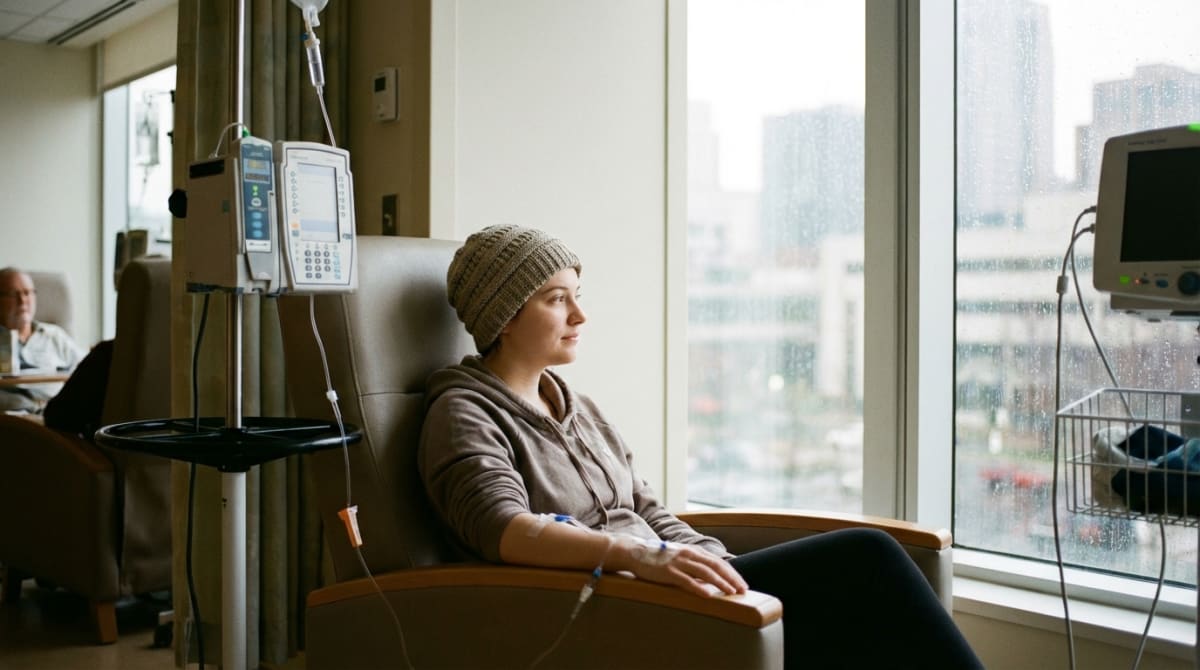
Talaya Reid was 21 when she learned she had lupus. By the time she was facing dialysis, she had tried every available treatment. Nothing worked. Her doctor told her about a clinical trial for something different, a therapy that had been developed for cancer, not autoimmune disease, and that might kill her before it saved her.
TLDR
CAR-T therapy. The 'living drug' that revolutionised cancer treatment. is showing remarkable results for autoimmune diseases. German researchers reported lupus patients achieving full remission after a single infusion. The therapy reprograms a patient's own T cells to destroy the malfunctioning B cells causing autoimmune attacks. It's not without risks, but for patients who have exhausted all other options, it offers something unprecedented: hope for a cure.
KEY TAKEAWAYS
She said yes.
What CAR-T is
CAR-T stands for chimeric antigen receptor T-cell therapy. The basic concept: extract T cells from a patient's immune system, genetically reprogram them to recognise and destroy specific targets, and infuse them back into the body.
For cancer, the targets are tumour cells. For lupus, they're the malfunctioning B cells that cause the immune system to attack healthy tissue. The same mechanism that can eliminate leukaemia can, it turns out, reset an autoimmune system gone haywire.
The German breakthrough
In 2021, Georg Schett, a physician at the University of Erlangen-Nürnberg in Germany, treated a young woman with life-threatening lupus who had exhausted all conventional options. Within weeks of her CAR-T infusion, she was in full remission.
It was our eureka moment.
— Georg Schett, University of Erlangen-Nürnberg
Schett and his team went on to treat more patients. A study published in Nature Medicine reported that five patients with severe lupus had essentially no signs of disease activity months after treatment. They were able to stop taking their medications entirely.
One patient, Romy Kandera, had been a talented pianist until lupus caused swelling in her fingers that made it impossible to reach the notes. After treatment, she could play again.
The risks
CAR-T is not a simple infusion. It requires chemotherapy first to clear existing immune cells and make space for the modified cells to proliferate. Reid spent 22 days in hospital after her treatment, experiencing cytokine storm. an overreaction of the immune system that can be fatal.
The FDA has flagged additional concerns. In November 2023, the agency announced that 19 recipients of CAR-T cancer therapies had developed new T-cell cancers. Patients are now recommended for lifelong monitoring.
Why it matters
Lupus affects roughly five million people worldwide. It disproportionately strikes young women, particularly Black and Hispanic patients. A person diagnosed before age 40 is 12 times more likely to die prematurely than someone without the condition.
Existing treatments. steroids and immunosuppressants. manage symptoms but often fail to halt progression. They cause severe side effects including bone fractures, diabetes, and increased infection risk. Many patients cycle through treatments, experiencing temporary improvement followed by relapse.
CAR-T offers something different: the possibility of a one-time treatment that resets the immune system entirely. For patients who have spent years fighting their own bodies, that possibility is transformative.
What comes next
Clinical trials are expanding. Researchers are testing CAR-T for other autoimmune conditions including multiple sclerosis and rheumatoid arthritis. The mechanism that works for lupus could, in theory, work for any disease where the immune system attacks healthy tissue.
Cost remains a barrier. CAR-T cancer treatments run into hundreds of thousands of dollars. Expanding access for autoimmune patients will require both manufacturing scale-up and policy decisions about who deserves access to expensive therapies.
But for Talaya Reid, none of that mattered in the moment she learned she was in remission. After years of asking her mother to stay by her bed in case she stopped breathing, she could finally imagine a future.
The Australian context
Australian researchers are watching these developments closely. The Peter MacCallum Cancer Centre in Melbourne has been a leader in CAR-T cancer therapies and is exploring applications for autoimmune conditions. Local trials could begin within the next two years.
For Australian lupus patients, access remains the critical question. The PBS currently covers some CAR-T cancer treatments, but extending that coverage to autoimmune applications would require new clinical evidence and regulatory approval. The process typically takes years.
In the meantime, patients continue managing their conditions with existing therapies. steroids, immunosuppressants, biologics. while reading about breakthroughs they cannot yet access. The gap between medical possibility and practical availability is a familiar frustration for anyone with a chronic illness.
SOURCES & CITATIONS
FREQUENTLY ASKED QUESTIONS