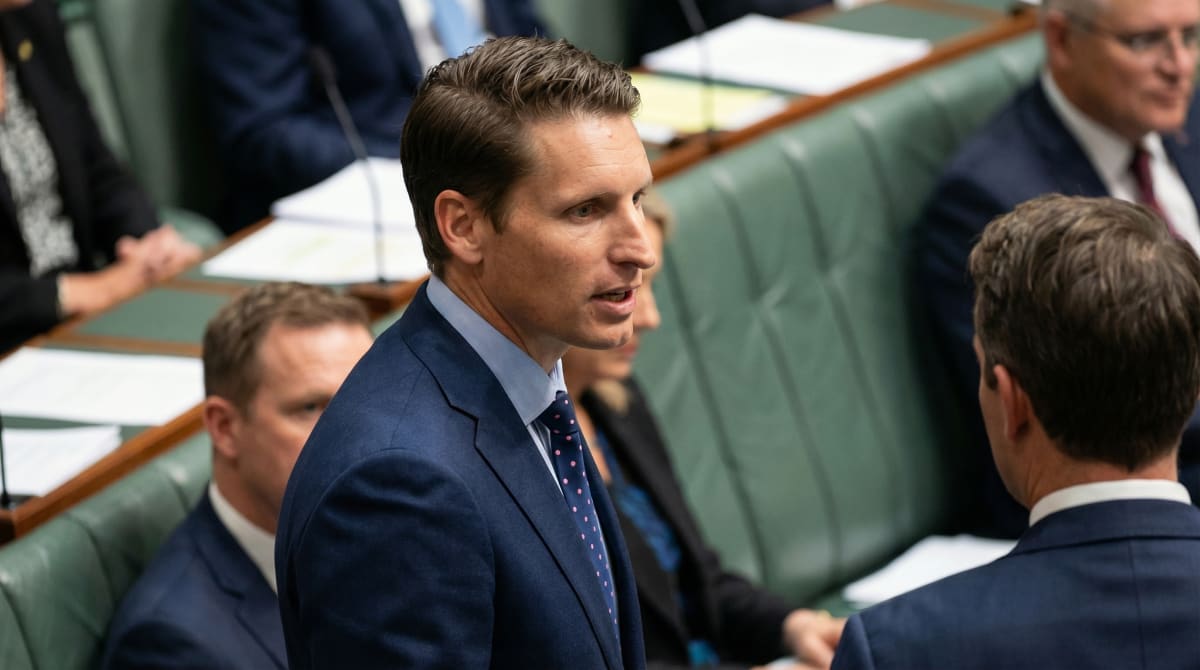
Shadow Defence Minister Andrew Hastie sat for an interview on ABC's Insiders program on Sunday morning. The former SAS captain delivered a blunt assessment of Washington's military campaign in the Middle East. Hastie called the ongoing military action a huge miscalculation by the United States.
KEY TAKEAWAYS
Iran has been able to pretty much hold the whole world economy to ransom.
— Andrew Hastie, Shadow Defence Minister
The remarks represent a departure from the Coalition's typically rigid support for US foreign policy. Hastie is a known defence hawk. His public critique signals bipartisan frustration in Canberra over the economic fallout from the conflict. The shadow minister said the lack of preparation has exposed vulnerabilities in the global system.
"Had we had a bit more lead time, we would not be in the current crisis we are now," Hastie said.
The timeline of the military intervention remains a point of contention among allied nations. Canberra received limited advance notice before operations commenced in the Persian Gulf. Australian officials have spent the past month managing the domestic economic consequences.
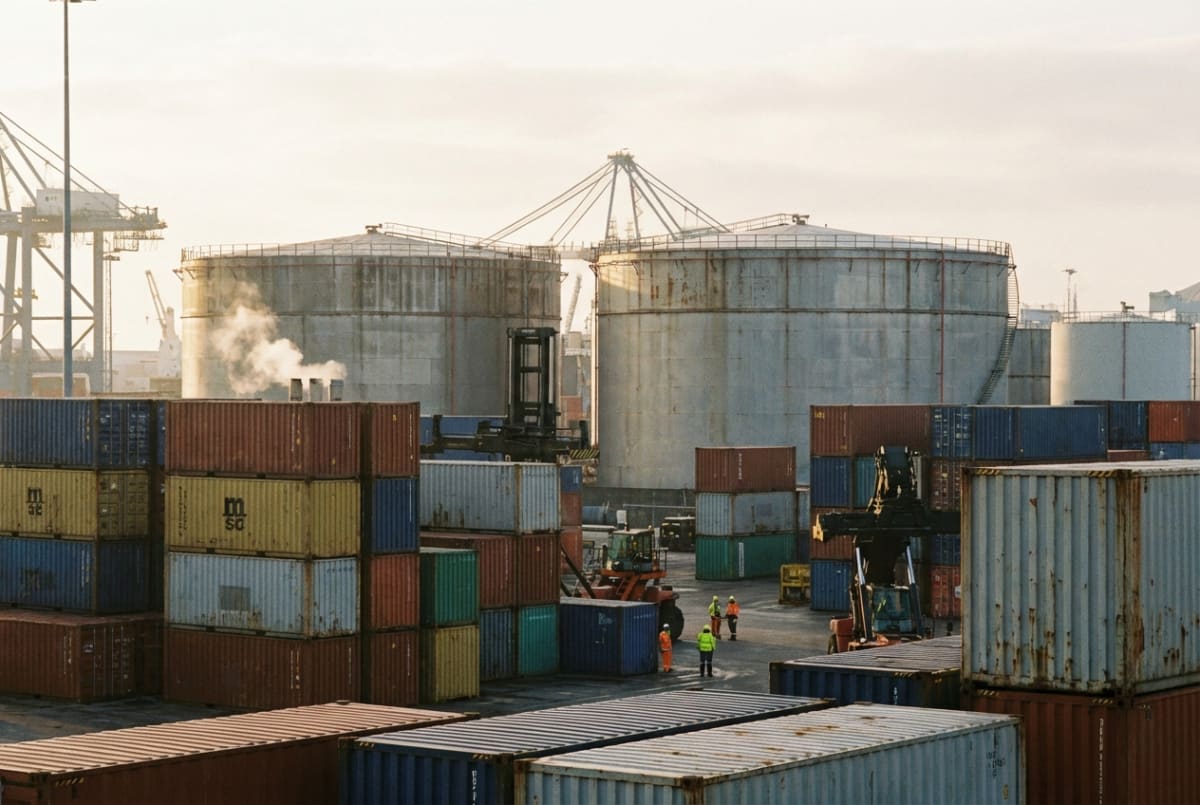
Global energy markets reacted immediately to the disruptions in the Strait of Hormuz. Tanker traffic dropped significantly. Insurance premiums for commercial shipping spiked to record levels in the first week of the conflict.
Alliance under pressure
The strategic consequences extend beyond immediate fuel shortages. Hastie said the handling of the conflict is damaging the foundation of the ANZUS alliance. The agreement has served as the bedrock of Australian defence policy for decades.
"[Australians] are going to question the judgement of the president," Hastie said.
The US relationship came under pressure last week when Donald Trump targeted Canberra with public complaints. The US president expressed dissatisfaction with allied contributions to the military effort. Hastie said the US president's criticism was petulant and defended Australia's right to scrutinise Washington's decisions.
As a close friend of the US, we have a right to be honest and ask hard questions.
— Andrew Hastie
Foreign policy analysts view Hastie's comments as a recalibration of the Coalition's stance. Previous Coalition leaders rarely offered public criticism of sitting US presidents. The shift reflects a growing domestic anxiety about Australian exposure to foreign military campaigns.
Polling data indicates a shift in public sentiment regarding the US alliance. Australians remain broadly supportive of the security pact. Recent surveys show increasing concern about being drawn into conflicts that do not serve direct national interests.
Global economic fallout
The military action in Iran triggered immediate disruptions across the global economy. Supply chains face severe delays. Manufacturing sectors in Asia and Europe reported shortages of critical components within two weeks of the first strikes.
"The world order has collapsed," Hastie said.
Inflationary pressures have returned to advanced economies. Central banks paused planned interest rate cuts in response to the energy price shock. The US Federal Reserve indicated it would maintain current rates until the supply side stabilizes.
The Australian economy is particularly vulnerable to liquid fuel disruptions. The country imports the vast majority of its refined petroleum products. National reserves remain well below the international 90-day standard.
Treasury officials briefed the federal cabinet last week on the economic outlook. Growth forecasts have been revised downward. Household consumption dropped sharply in the first quarter.
Domestic energy reckoning
The global instability has forced a domestic reckoning on energy security. The federal opposition is recalibrating its approach to domestic energy producers. Hastie directed sharp criticism at the companies extracting Australian gas.
"Multinationals and big business in this country have lost their social licence," Hastie said.
The comments target the major gas exporters operating in Western Australia and Queensland. These companies sell the majority of their output on long-term contracts to Asian buyers. Domestic consumers compete for the remaining supply at international spot prices.
The federal government implemented emergency price caps on wholesale gas last year. Energy intensive manufacturing businesses report the caps have provided limited relief. Several regional facilities announced temporary closures citing unviable operating costs.
Industry groups warned against further market interventions. The Australian Petroleum Production and Exploration Association said regulatory uncertainty threatens future investment. Hastie dismissed these concerns during the interview.
The Coalition previously championed the gas sector as a crucial economic pillar. The shadow minister's remarks suggest a populist pivot on energy policy. Both major parties are preparing for an election dominated by cost of living pressures.
Voters consistently rank energy costs among their top concerns. Regional electorates heavily dependent on diesel for agriculture and transport report severe financial strain. Transport companies introduced fuel surcharges to cover the sudden spike in diesel prices.
The parliamentary debate over energy security will resume when the House of Representatives sits next month. Hastie said the opposition will push for stricter domestic reservation policies. The government faces pressure to expand the existing gas security mechanism.
TLDR
Shadow Defence Minister Andrew Hastie said the US conflict with Iran is a huge miscalculation that has allowed Tehran to hold the global economy to ransom. The former SAS captain said Australians have a right to ask hard questions of their closest ally. Hastie also said multinational energy companies have lost their social licence.
SOURCES & CITATIONS
FREQUENTLY ASKED QUESTIONS